Table of Contents
Preface
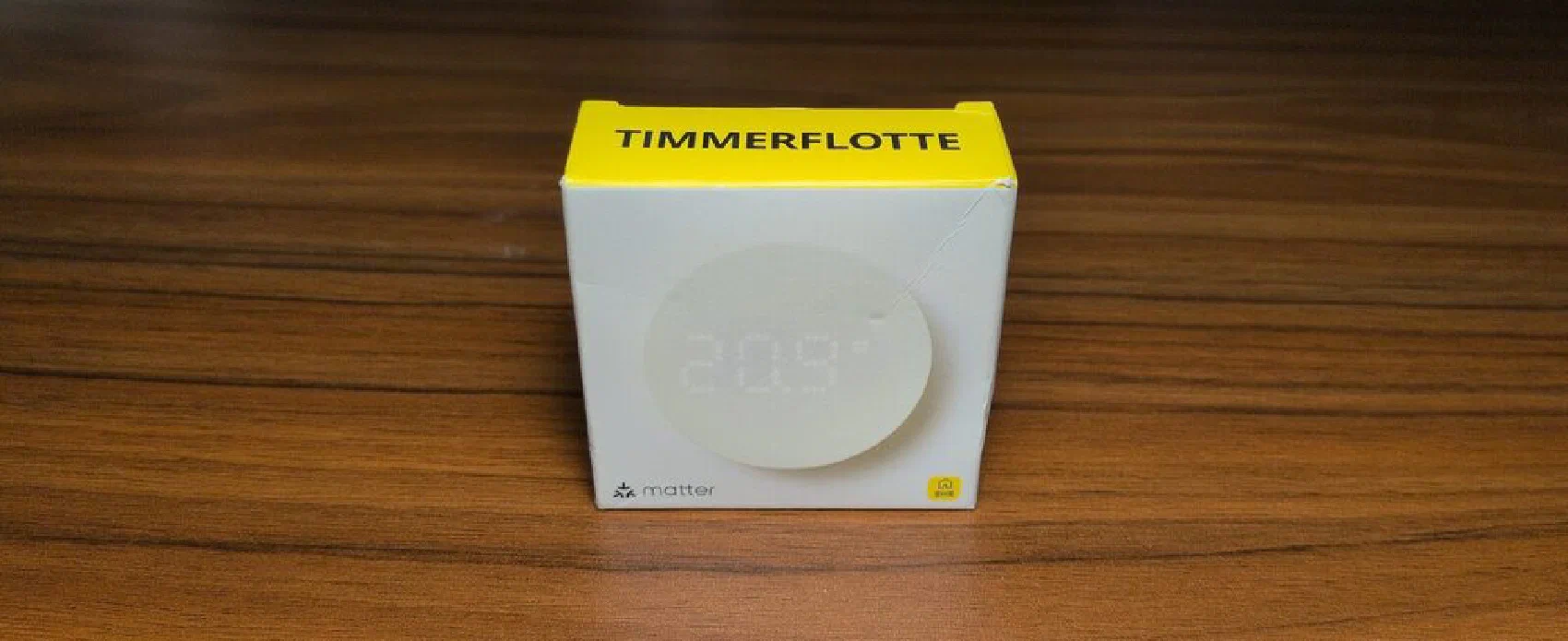
TIMMERFLOTTE is IKEA’s temperature and humidity sensor, and the first Matter device I bought from that company. It is a small round puck that runs on two AAA batteries, and it fixed every complaint I had about my previous sensors.
IKEA Moves to Matter
For years IKEA’s smart home lineup meant Zigbee. Bulbs, outlets, motion sensors, buttons, all of it spoke Zigbee and worked through the IKEA hub or any other Zigbee coordinator. In 2026 the company is moving away from Zigbee and fully embracing Matter.
The older Zigbee devices are not abandoned and will keep working, since Zigbee is fully local and doesn’t have any vendor cloud dependencies. Some devices are dual stack as well, and they can speak Matter natively.
Crash Course on Matter
Matter is not a protocol in the usual sense. It is an umbrella covering Bluetooth, Wi-Fi and Thread. Bluetooth handles commissioning, while Wi-Fi and Thread carry the actual traffic. Thread is hardware level interoperable with Zigbee, since both use IEEE 802.15.4 on the same 2.4 GHz band, and the same hardware radio can support either one.
So the stack is Bluetooth for pairing, Thread or Wi-Fi for operation, and a shared application layer on top. It sounds bloated, and it is, but sometimes bloated solutions win over elegant minimalistic ones.
I have over a hundred smart home devices, and most of them are Zigbee. Home Assistant abstracts those protocols away, so all devices are interoperable regardless of their protocols.
Low Power
Thread and Zigbee are low power networking technologies, and there is no real alternative for battery powered sensors. A sensor is supposed to work for years on a single charge, and that requirement rules out other options. Wi-Fi burns through a battery in weeks, sometimes days and hours. Bluetooth has its own power budget and range problems.
Matter calls low power devices “sleepy end”. They wake up, send a few bytes of measurement, and go back to sleep.
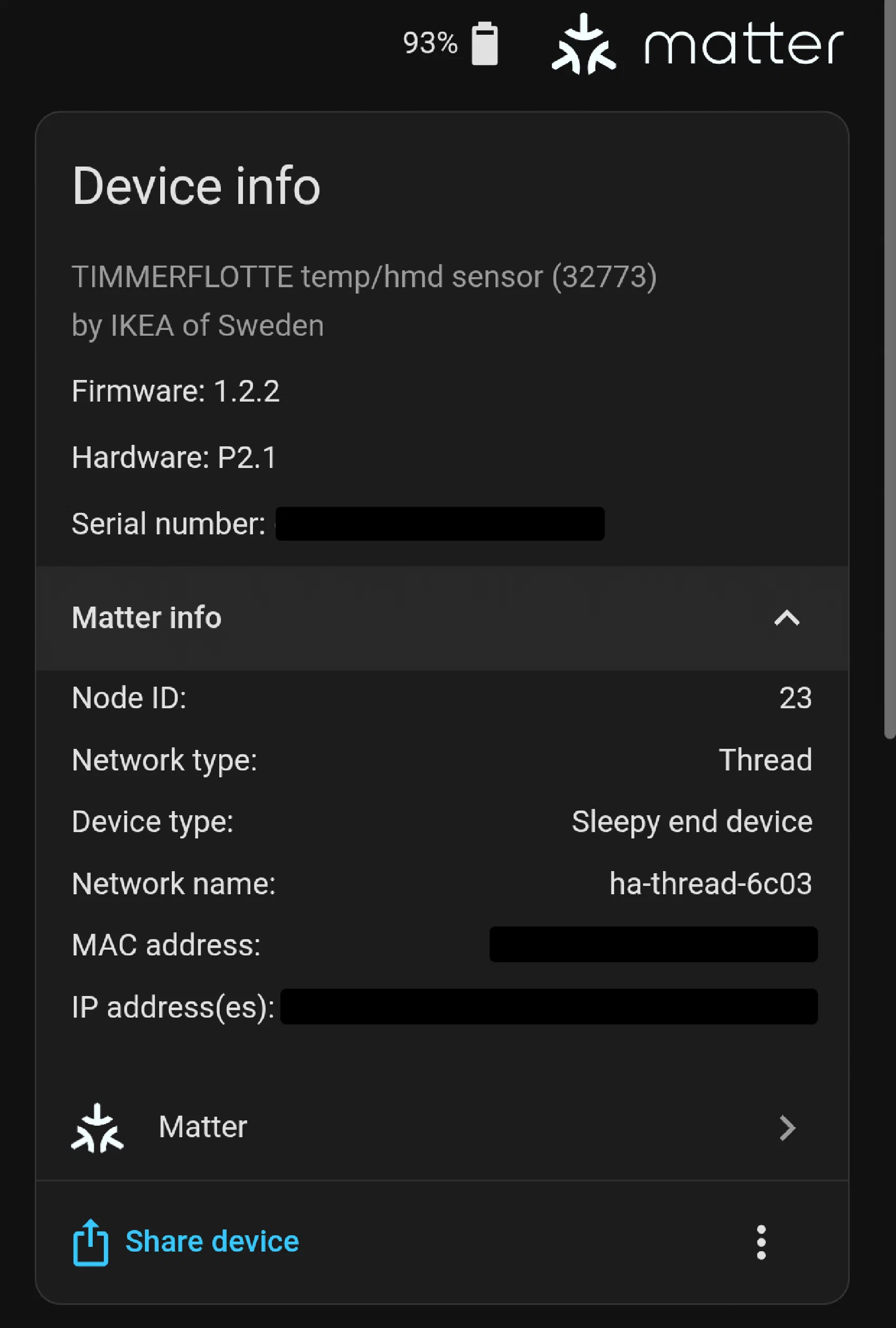
That is also why the Zigbee to Matter shift is less dramatic than it sounds. Zigbee is not being replaced by something from another planet. Thread sits on the same hardware, and the target use cases are identical.
TIMMERFLOTTE
The back side shows what you would expect from a carefully designed IKEA device: two AAA sockets, a Matter QR code, and a pairing code printed next to it.
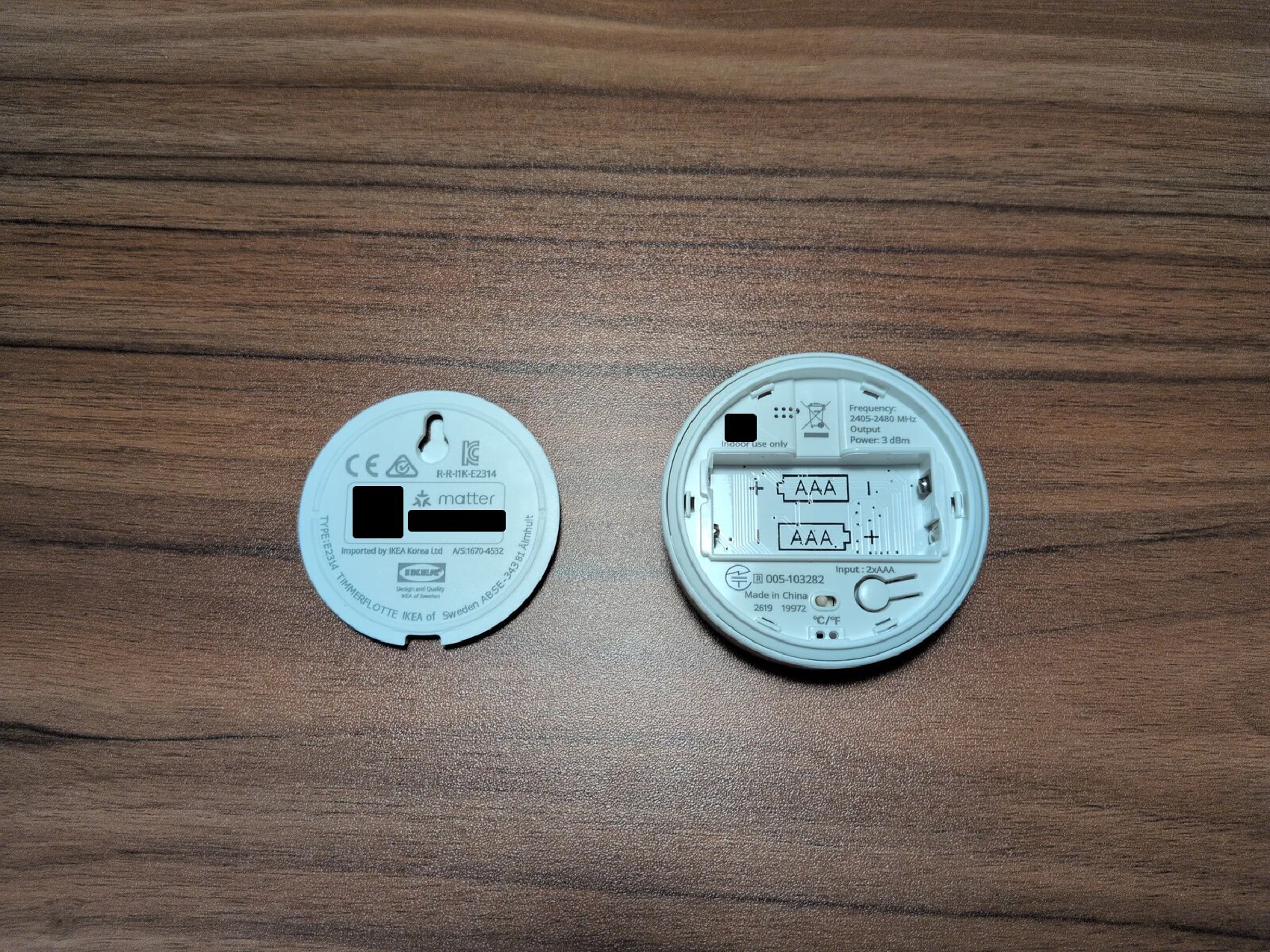
The interesting part is the front. There are no buttons in the usual sense. You press the whole puck and it lights up the current temperature and humidity for a few seconds, then goes dark again. You can check the room without opening a smart home app, which is observability done right.
I would prefer a permanent e-ink display, but that would quadruple the price, so taps are fine.
This sensor is clearly better than my current Sonoff temperature and humidity sensors for at least two reasons.
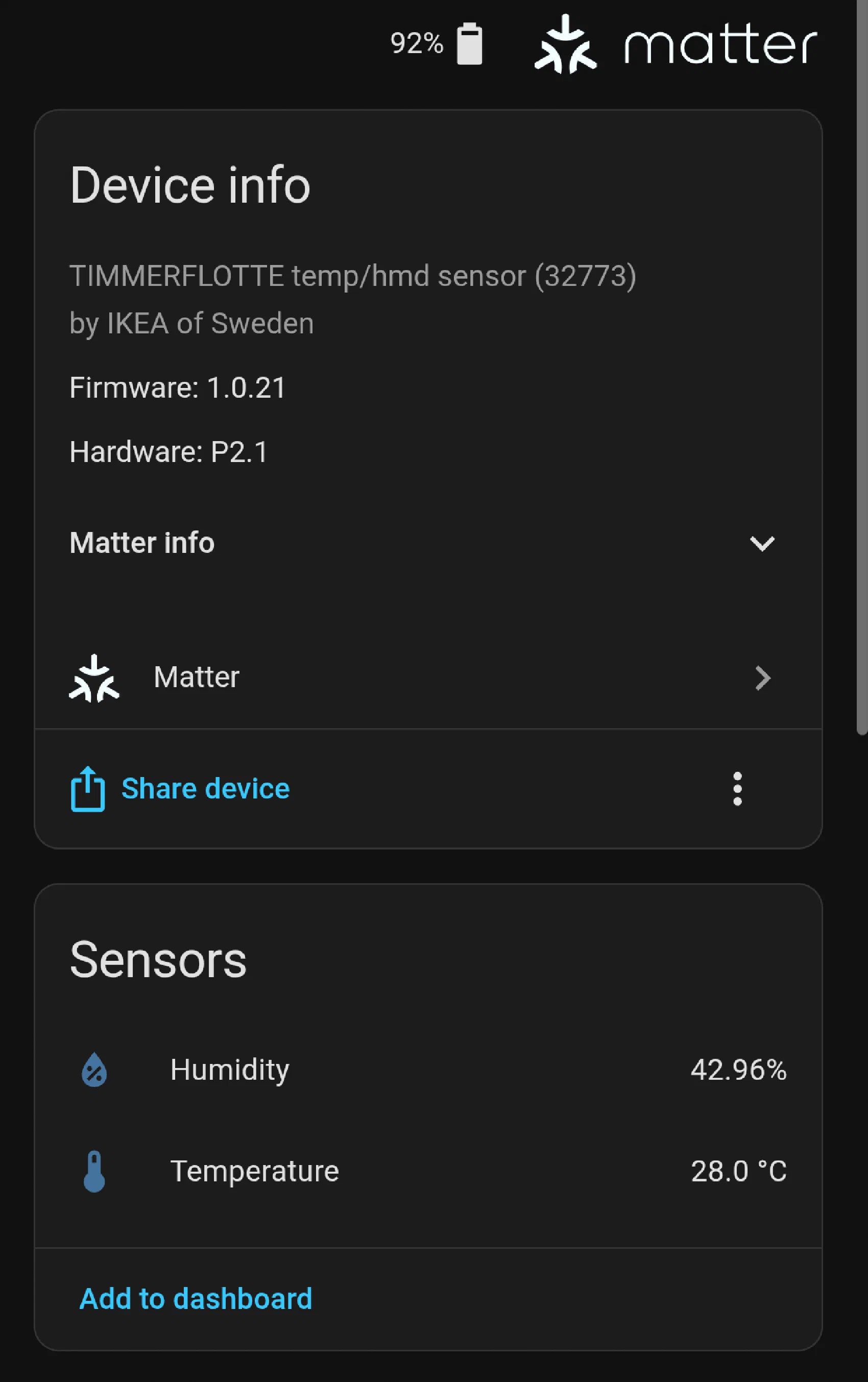
First, it works with rechargeable NiMH batteries and correctly reports the charge level and the voltage.
TIMMERFLOTTE reports 92% and 2.736 V, which sounds about right for a nearly charged NiMH battery pair. I have never seen a smart sensor handle NiMH properly, and as someone who benchmarked IKEA LADDA self-discharge, I have plenty of those batteries around. I’m a big fan of Eneloops disguised as IKEA LADDA and sold for basically nothing.
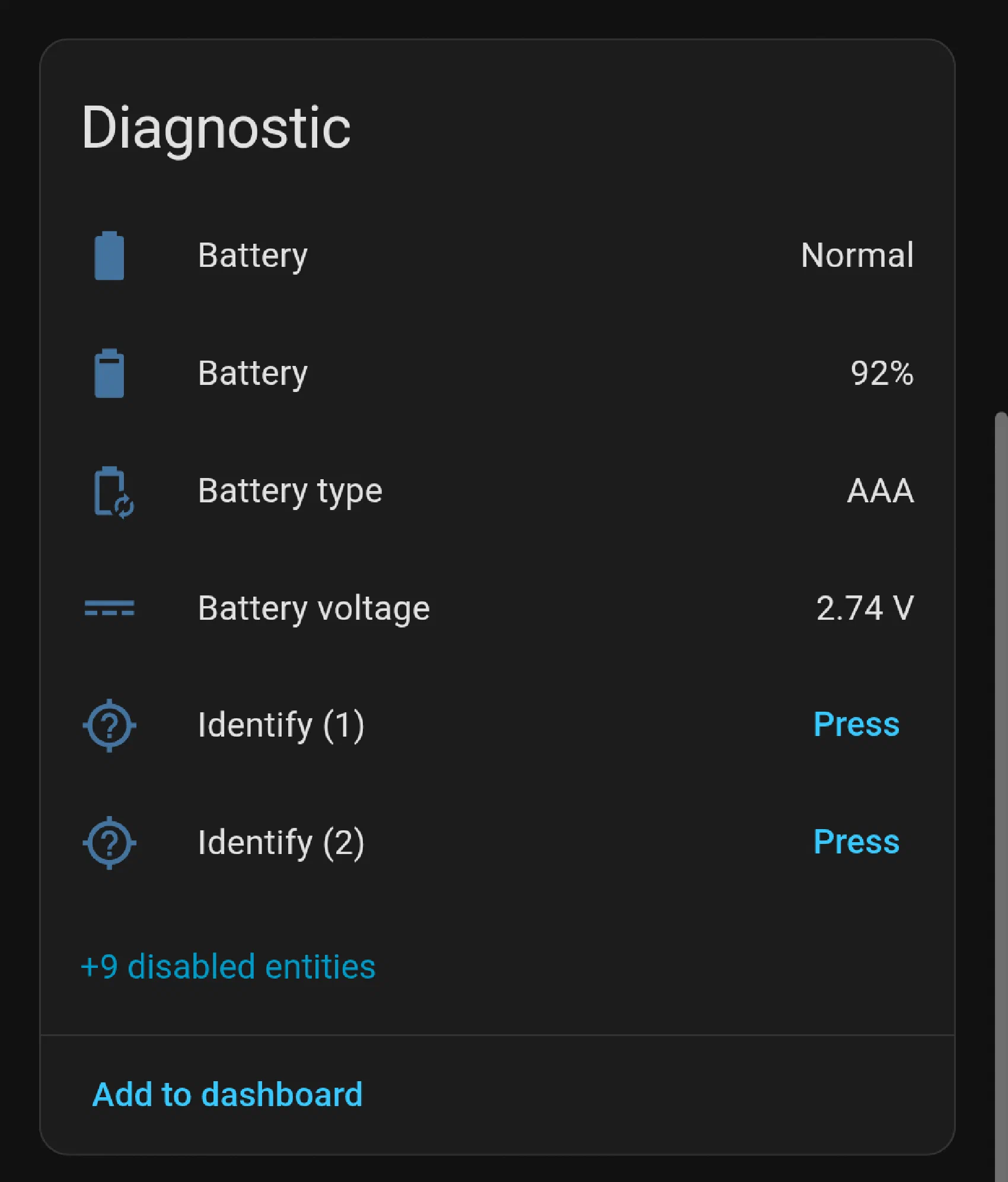
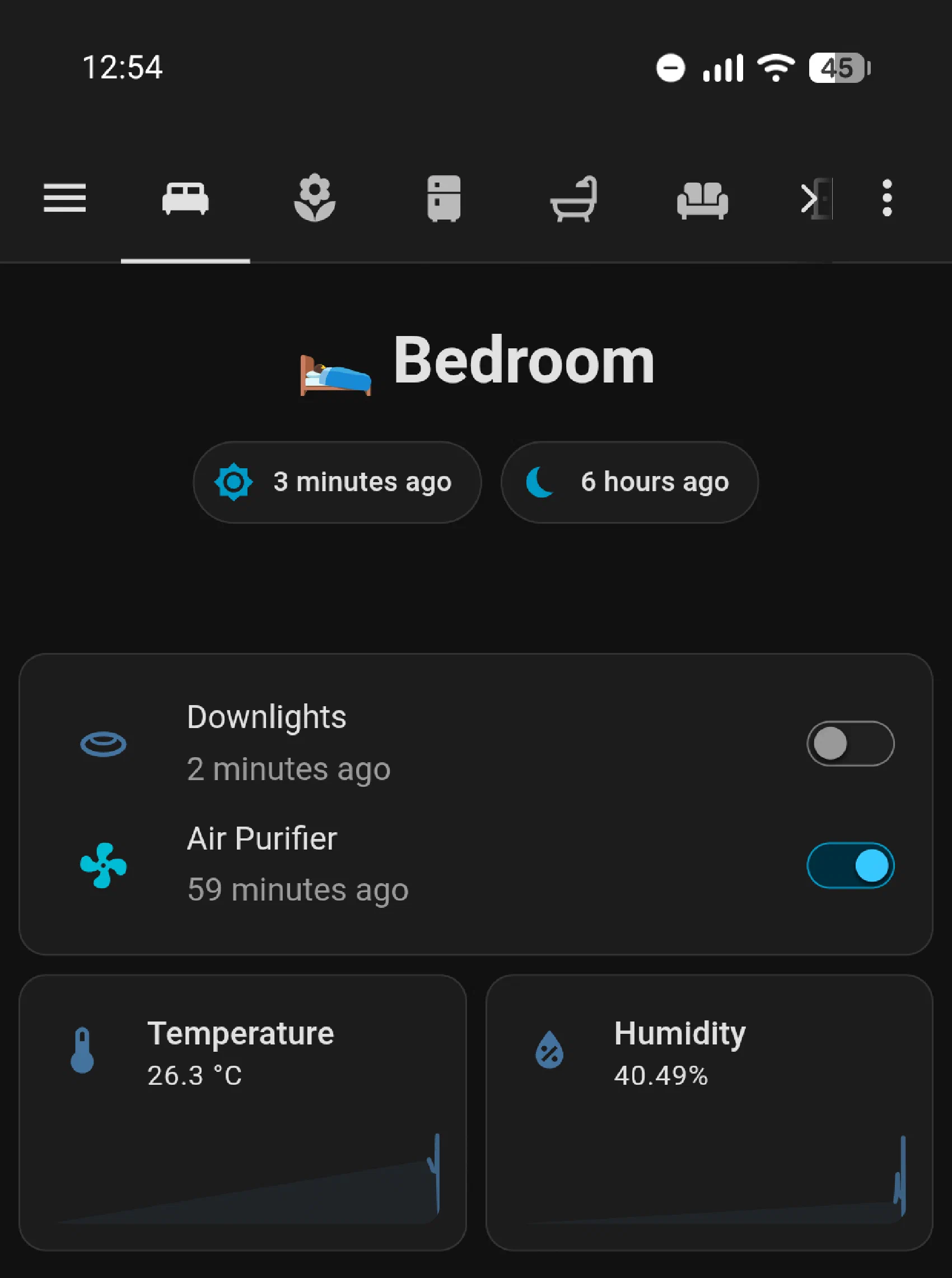
Second, the device has a clearly observable state. You can press it and see the current values on the spot, so you do not need the smart home interface at all. I still added those readings to my bedroom dashboard since it looks lonely with barely any smart home stuff inside.
The Integration Friction
The state of the Home Assistant integration is horrible, and the fault is not entirely on the Home Assistant side.
My Home Assistant comes from F-Droid, which means no Google Services. The recommended Matter commissioning flow in the companion app depends on Google Play Services on Android or Apple’s frameworks on iOS. Without those, the app cannot pair the device, and an iPhone is not an option in my household either.
The workaround is to open the Matter Server web interface and commission the device by hand. You type network credentials and then the pairing code from the device, pick the Thread network set, and press Commission.
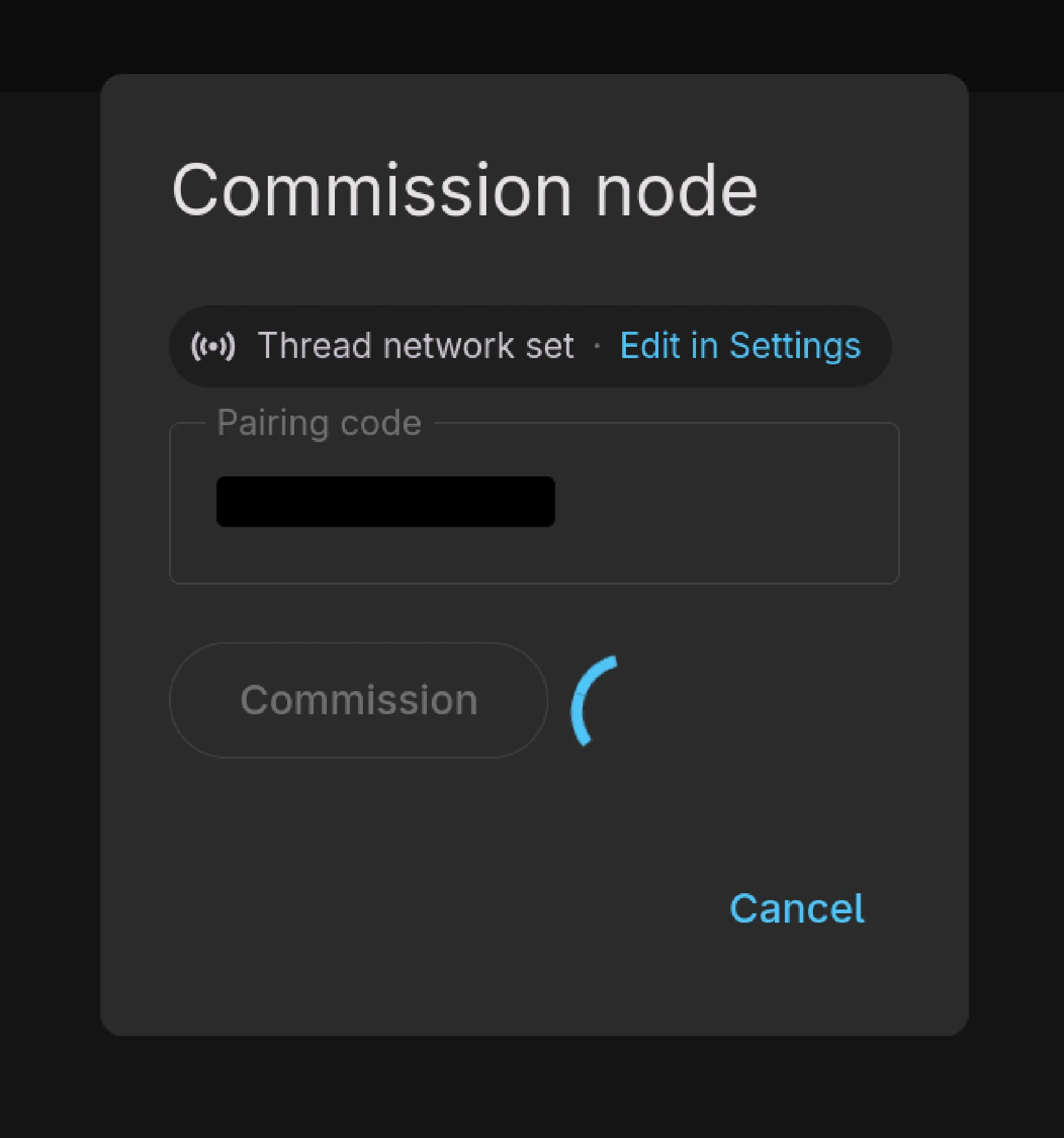
It was not smooth. The first two attempts failed, and the process gave very little useful feedback. The third attempt worked.
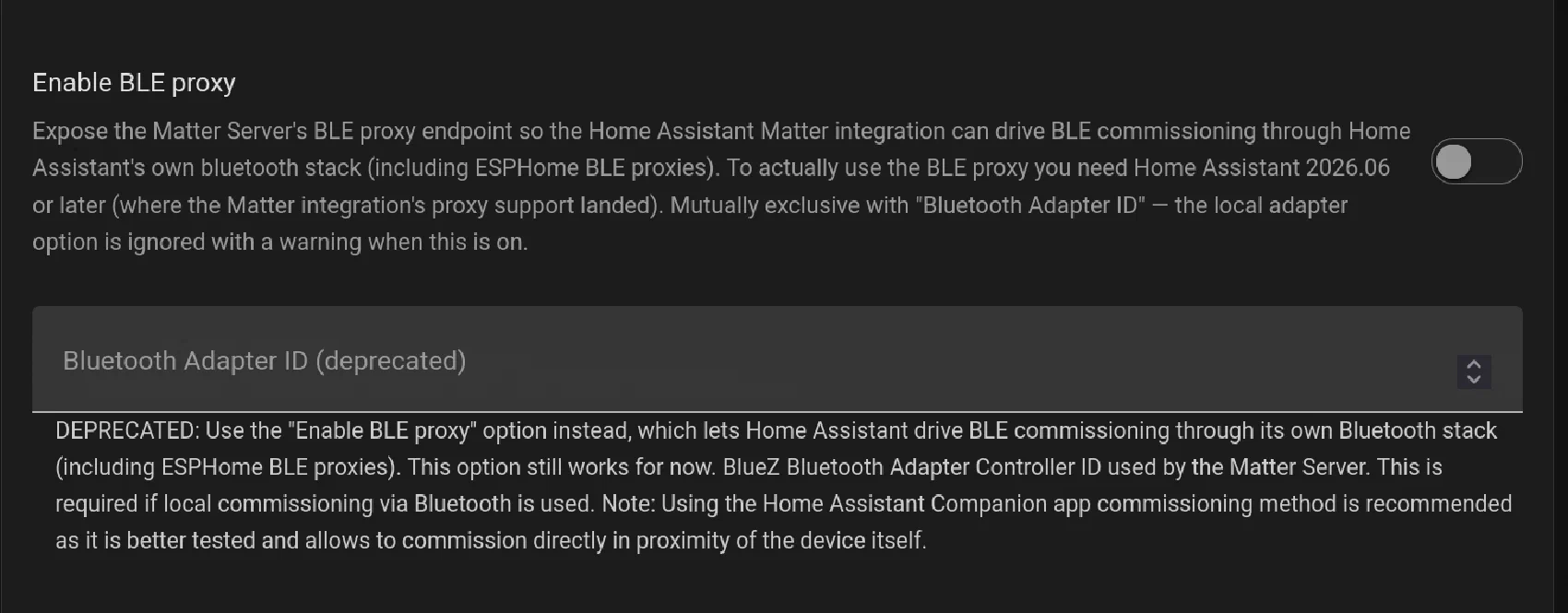
One related setting is worth mentioning if you go this route. The Matter Server has a BLE proxy option that lets Home Assistant drive Bluetooth commissioning through its own Bluetooth stack, including ESPHome proxies. It needs Home Assistant 2026.06 or later, and the older Bluetooth Adapter ID field is deprecated. In my case the local adapter was enough.
After pairing, the integration has been running perfectly. Readings arrive on schedule, the battery entities are correct, and everything is perfectly integrated in my HA setup.
Updates
Updates are a common headache with cheap smart home devices, but IKEA has a reputation of being one of the handful of vendors actually supporting their stuff. I updated the hardware from Home Assistant, going from firmware 1.0.21 to 1.2.2.
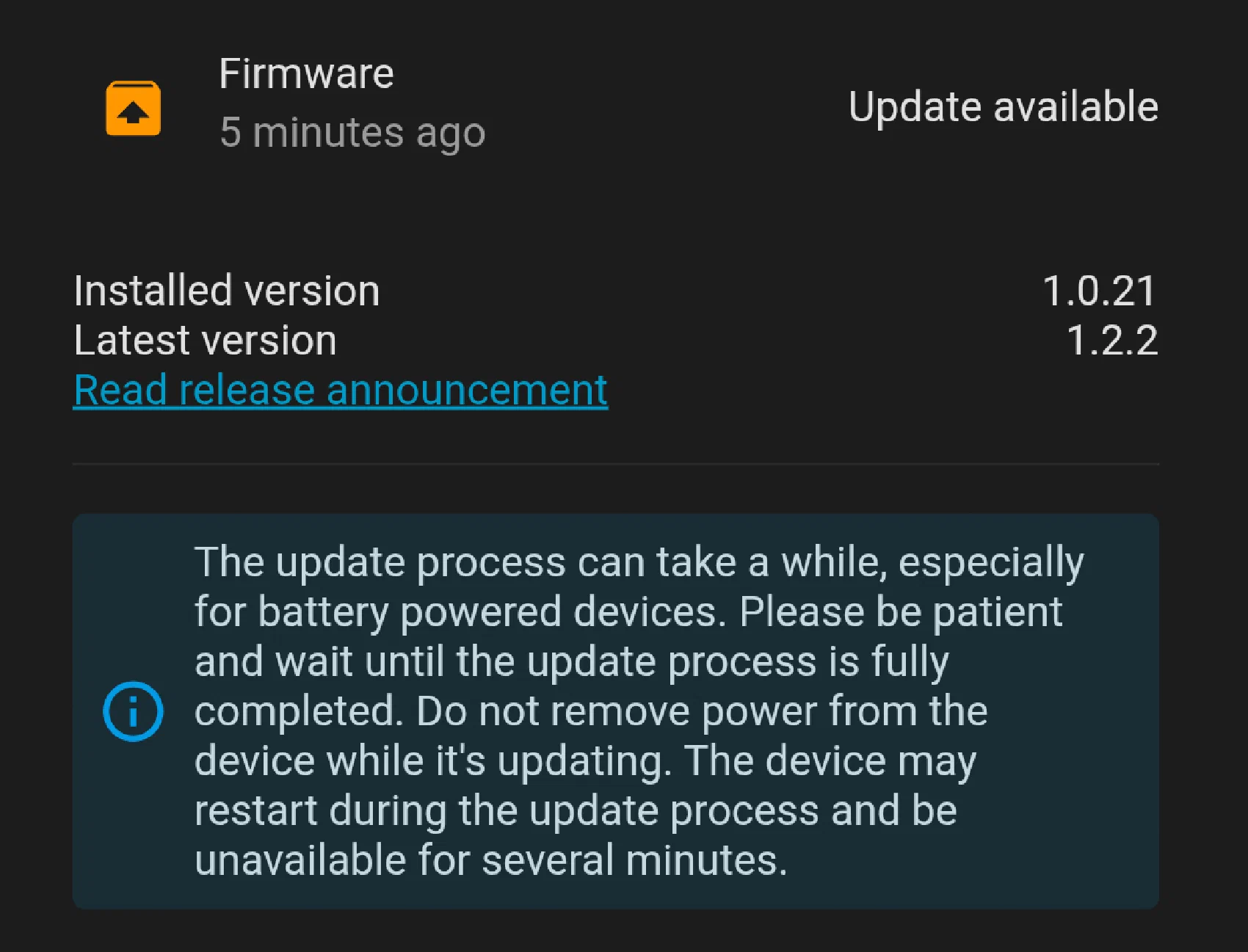
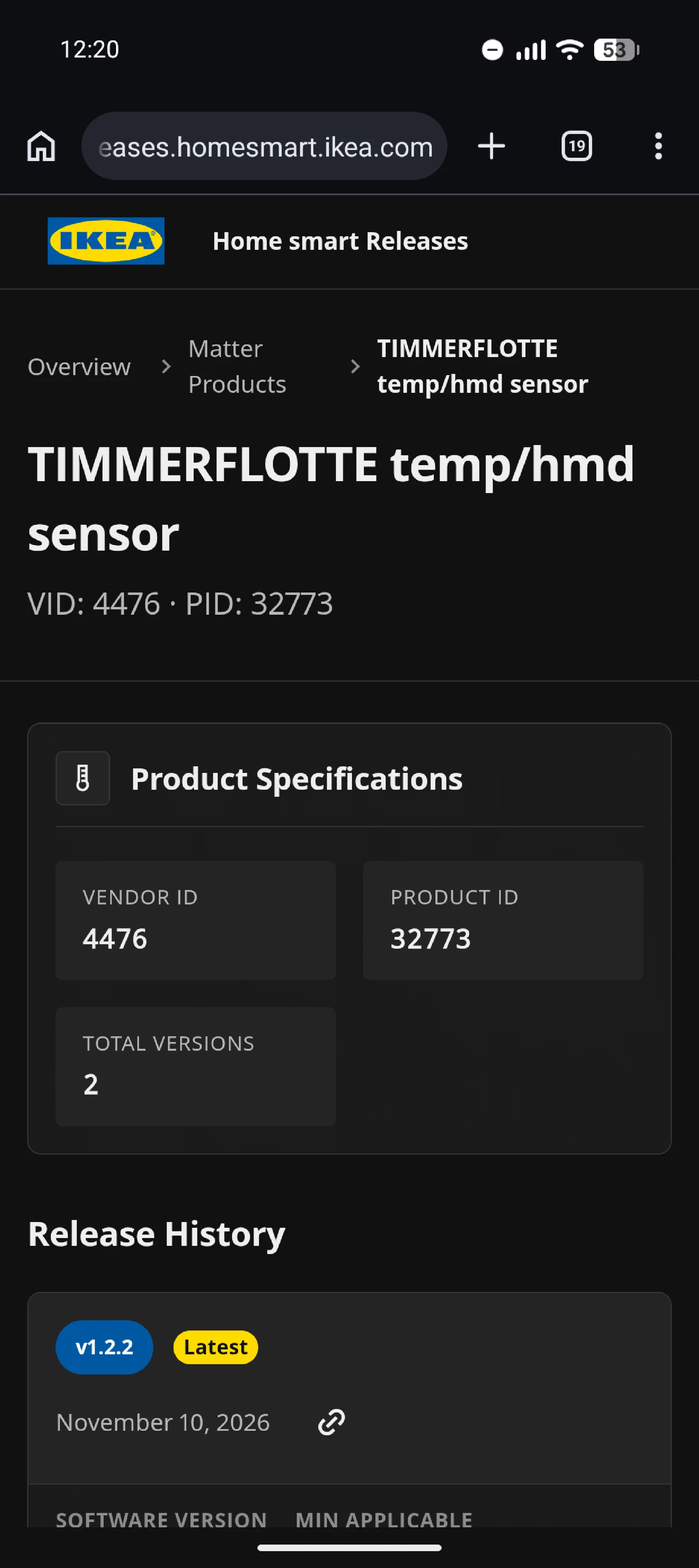
IKEA lists all the changelogs and firmware builds on their own dedicated Home smart Releases page. You can look up a device by vendor and product ID, read the release history, and see which version is the latest. That trivial level of caring about an end user is extremely rare in practice.
Most smart home stuff never gets updated. It ships with whatever firmware was current on the factory line and stays there forever. In the current environment, when we have to patch everything every day, that is both sad and scary.
Conclusion
TIMMERFLOTTE is my first Matter device from IKEA, but certainly not the last. It runs on rechargeable NiMH cells, reports their state honestly, shows sensor measurements without an app, and receives firmware updates.
The manual commissioning was annoying, and the F-Droid build of Home Assistant deserves a better Matter onboarding flow. Once the device is paired, none of that matters anymore.
More importantly, TIMMERFLOTTE resolved all the issues I had with other temperature and humidity sensors. That is a rare outcome for a cheap gadget, and it makes me optimistic about the rest of IKEA’s Matter lineup.