Table of Contents
Preface
Before getting to the death of open source projects, two basic questions need answers: how do these projects get born in the first place, and why do people choose open source at all?
Necessity Is the Mother of Innovation
Most FOSS projects are created by a single person out of pure necessity. There is something you need, and there is no good software that does it. Personal need is the ultimate motivation, and it explains why so many of the best tools look weirdly specific and opinionated. They were built for an audience of one.
Why Open Source
The second question is a bit less obvious. Why give the code away?
I think the desire to be useful and to share things and ideas you value is just part of human nature. Bits, unlike atoms, can be copied at no cost and no effort, so holding on to them is just evil, and the same goes for copyright in general.
I’m not a business person and I never had a business. Setting up a company, doing all the bureaucracy, and endless promotion is a hellish experience to me. It’s no fun. Open source lets me skip all of that and get straight to problem solving.
The Benevolent Dictator
Most FOSS projects follow the Benevolent Dictator model from birth to death. A few grow into something more decentralized, with a handful of core contributors sharing the load, but that’s the exception. I think decentralizing a project, at least to some extent, is a very important but not always achievable goal. It maximizes the long-term survival rate and makes the project less ephemeral.
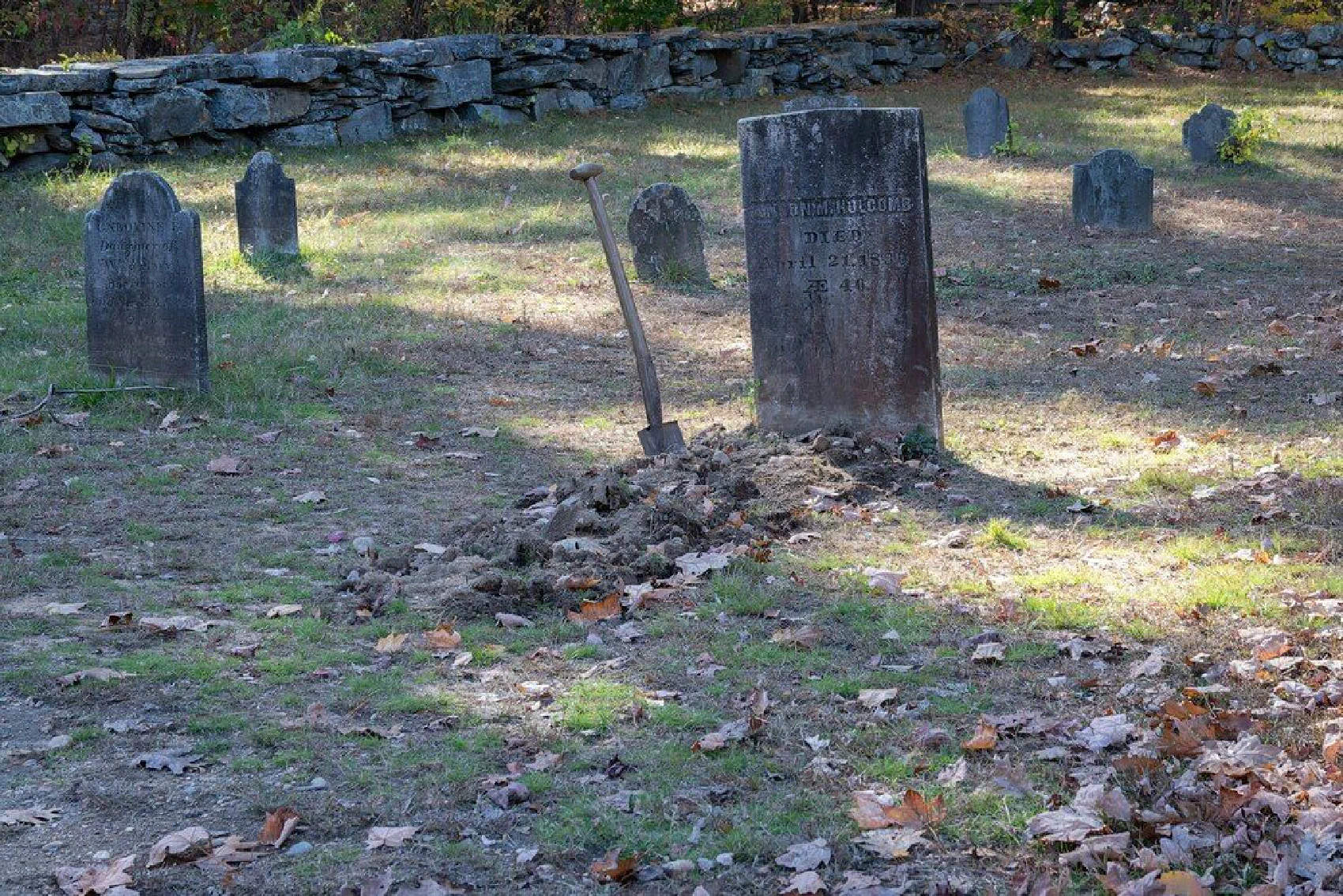
That’s FOSS 101. The interesting part is what kills open source projects.
Fun Is the Fuel
Projects die when maintainers lose interest, and maintainers lose interest when the work stops being fun.
That’s why I think that user feedback is something developers should take with a grain of salt. Say adding a feature could widen the user base, but the developer isn’t interested in that feature. The feature gets done out of a sense of duty, but maintaining something you aren’t passionate about is demotivating. Do that repeatedly and the project dies by a thousand paper cuts.
I would say user feedback needs to be more Machiavellian. When I need something from FOSS developers, I don’t flatter them or complain, and I double-check that I don’t sound entitled. I frame the request in a way that can make them interested, or that aligns with my impression of their values and priorities. It’s a classic How to Win Friends and Influence People move, basically, and I don’t think it’s bad.
Picking Your Battles
I take motivation seriously in the projects I work on, and it starts with picking the right battles. I have far more ideas than I have public projects, because I’m not certain that some of those ideas will still matter to me in ten years. A project is a long commitment, and it only works if the need behind it is durable.
The Long Map
For instance, I published the first BTC Map build because there were no apps that worked offline and could show me the nearest bitcoin ATMs. I figured I might need that during travel. I built it before starting on a long trip across many countries, and the anxiety about my cards being stolen or otherwise rendered unusable motivated me to create a plan B.
More than twelve years have passed. I no longer travel that much, and there aren’t many bitcoin ATMs in my new home, Asia. So why didn’t I abandon the project? Well, in fact I did, for a few years, until Lightning matured and I felt there was a new wave of demand for the medium-of-exchange use case.
Pivoting to general merchants and dropping shitcoin support that was demanded by some early users also helped a lot. There are plenty of merchants in Thailand, so I use the app pretty often when I travel locally. Unfortunately, that’s not enough. Sometimes I stay in Phuket for months, and it’s hard to force myself to contribute to software I don’t need daily. I also met, and in some cases befriended, every local bitcoin merchant. I don’t need to look up their locations in the app, since I memorized them all. Tough spot, no motivation.
I dealt with that by introducing the events feature. I’m a regular at a local bitcoin meetup, the place I’ll go after hitting “publish”, so I need software that is free, pleasant to use, and helps me with announcements and visibility. Needless to say, BTC Map still sucks at all that, but I’m motivated enough to improve it and that’s all that matters.
The same logic applies to my news feed reader, which I use daily, and to the photo gallery app I’m working on right now.
Conclusion
FOSS projects die when maintainers stop caring, so the key is to pick your battles: choose tasks that are non-ephemeral and lasting, and listen to your own needs instead of trying to please random people on Twitter, however persistent they are.