I’m a Baker Now
I picked up Evolutions in Bread by Ken Forkish at a local book sale, mostly because the book looked nice. I know next to nothing about cooking. I can boil pasta or fry eggs, and that’s about it. Bread, in particular, felt like one of those things you should outsource to professionals.
I spent an hour or two reading the book and the instructions were easy to follow. That’s the part that surprised me the most. There is no magic, just flour, water, salt, yeast, and time.
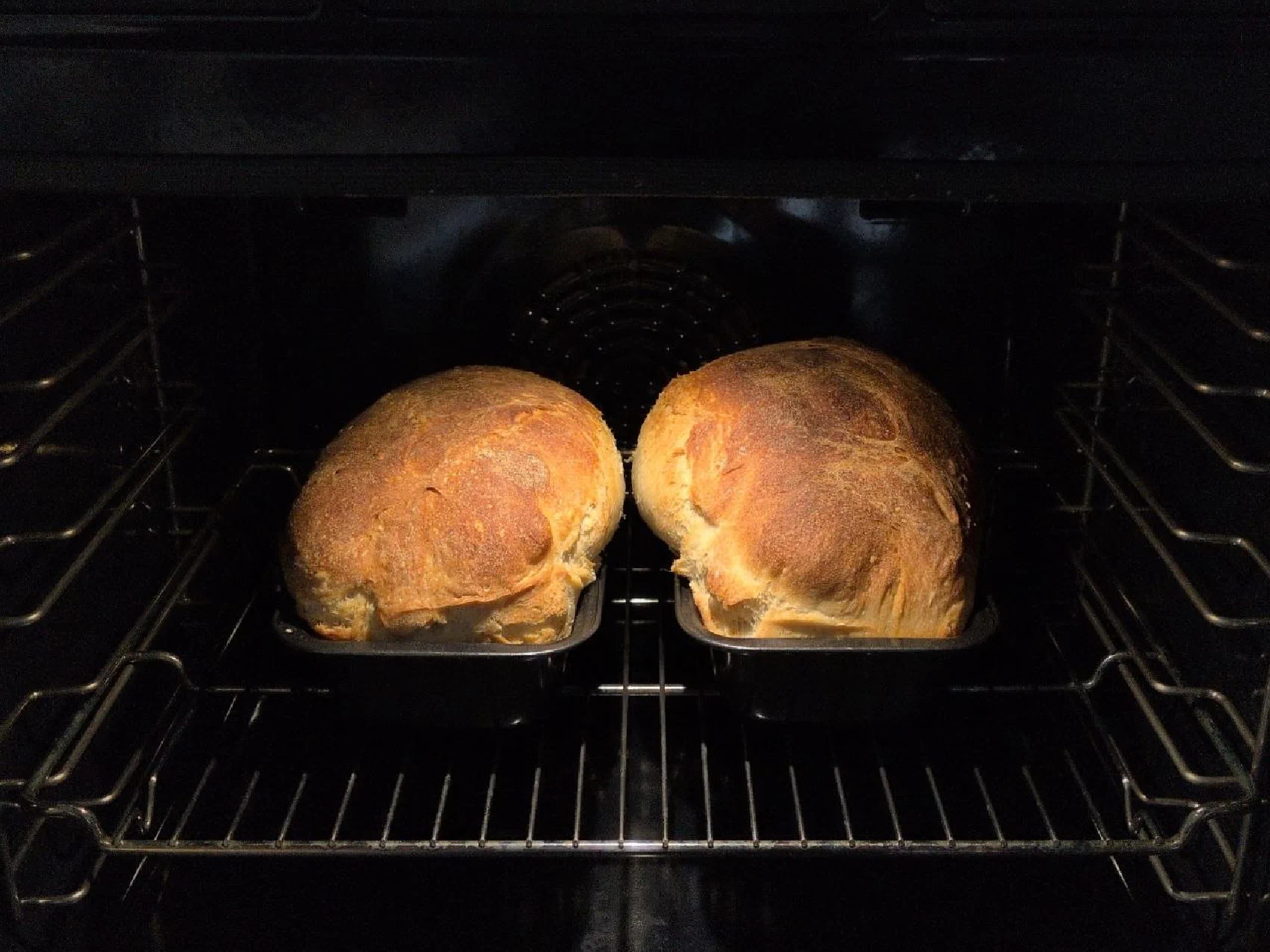
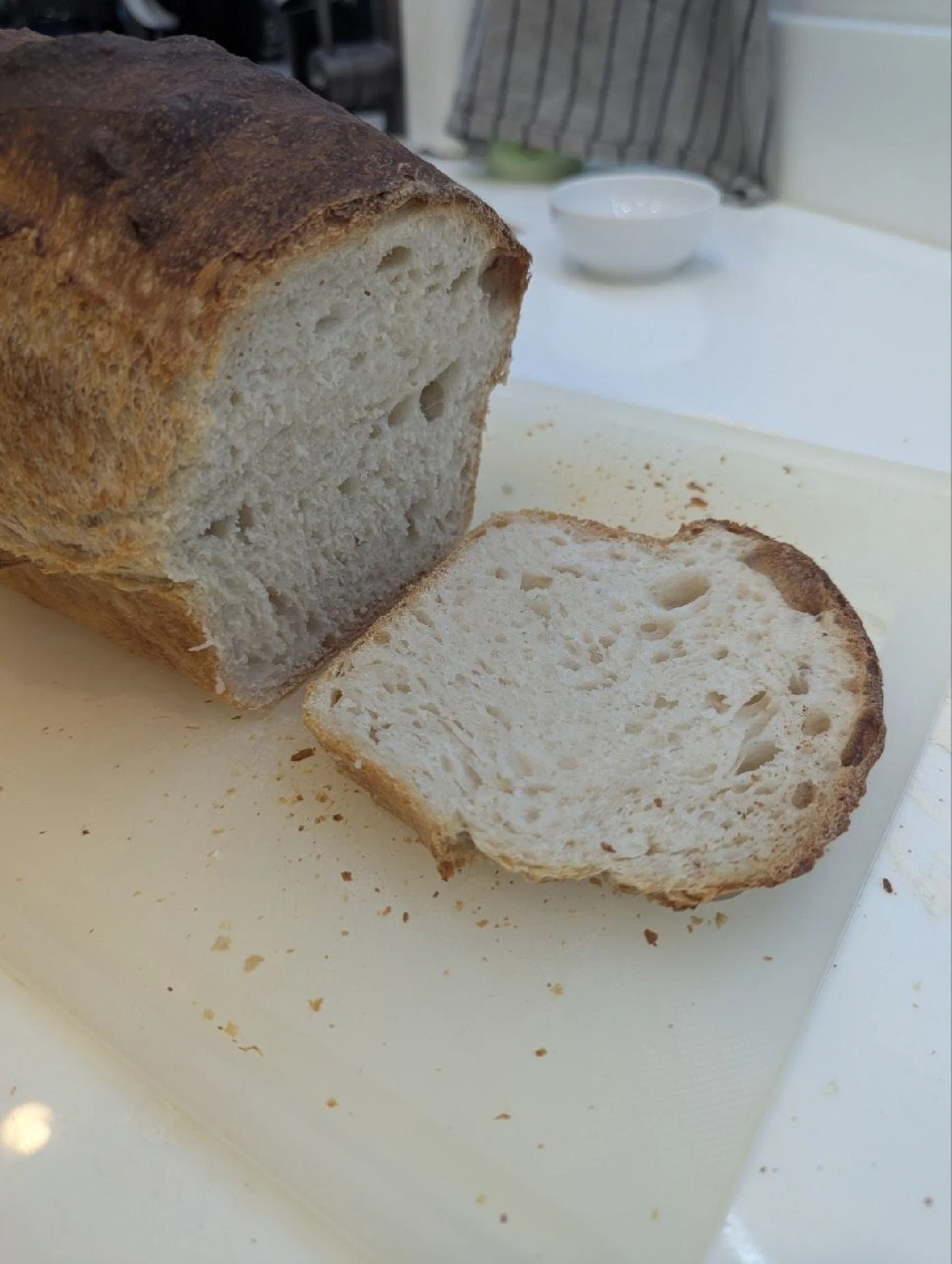
From the very first attempt, I was able to bake an amazing loaf. Not “sort of edible”, but actually great, especially compared to locally available options in Thailand.
New Routine
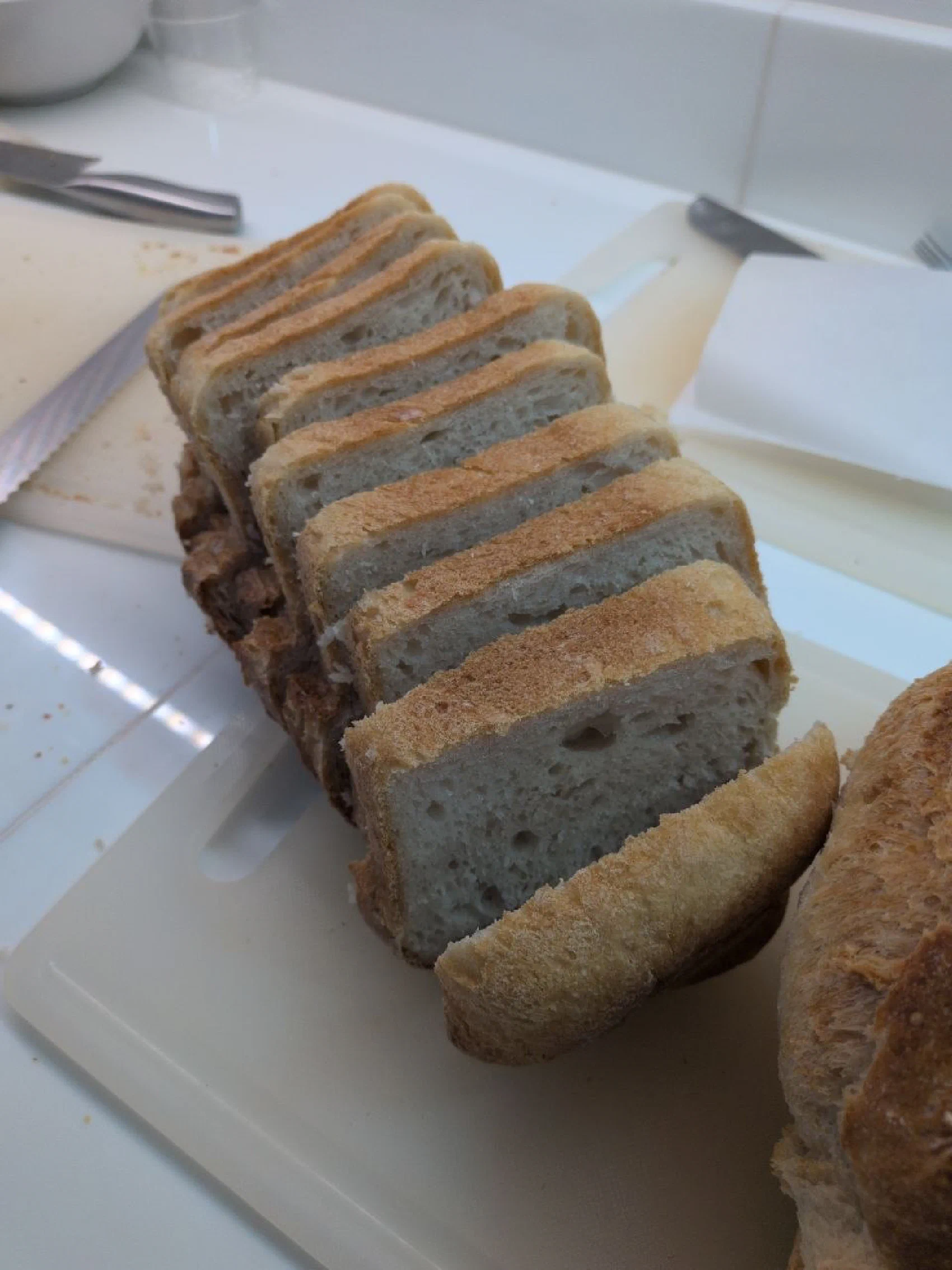
That first loaf kicked off a routine I have now stuck to for several months. I bake two loaves every month, let them cool, slice them, and keep them in the freezer. The whole ritual takes no more than 30 minutes of active work, spread over a four-hour window.
It is much better than any alternatives available in Phuket. Supermarket bread here is either American-style slop or an overpriced caricature of European recipes. The bakeries that do proper bread (Zurich Bread and Bartels) charge restaurant prices and are inconvenient to get to or order from.
It is also almost as good as the stuff I used to buy in Russia. That is high praise, because Russian mass-market bread is genuinely good. Whatever you think of the Soviet Union, the super efficient and cheap mass production of bread that used to feed the whole nation in the hardest times is one of its underrated achievements.
We’re still benefitting from that infra and have a cultural expectation that bread is just part of everyday life, not a luxury product. Many Thais earn less a day than those bakeries charge for a single loaf.
Recipes
I tried a few recipes from the book. The first ones were great and simple to follow and source ingredients. Then things got progressively more hipstery. There are recipes with obscure flours, weird tricks justified by vibes, and ingredients you would have to order online.
My favorite recipe is just white bread. I have little interest in chasing some obscure Roman wheat that only a handful of US firms produce. My wheat of choice is a generic bread flour I can buy in my local store for about a dollar a kilo. One kilo makes exactly two loaves, which is exactly what I bake each month.
Conclusion
Evolutions in Bread is a useful book even if you only ever make one recipe from it. It removed a small but persistent annoyance from my life, which is far beyond my initial expectations.