Diablo is a legendary game and an everlasting classic. I find myself replaying it every few years, and this time I got to enjoy it on a glorious 85-inch TV.
This is a classic action RPG (ARPG) game, where you start near a village and are supposed to clear numerous dungeons to reach the final boss.
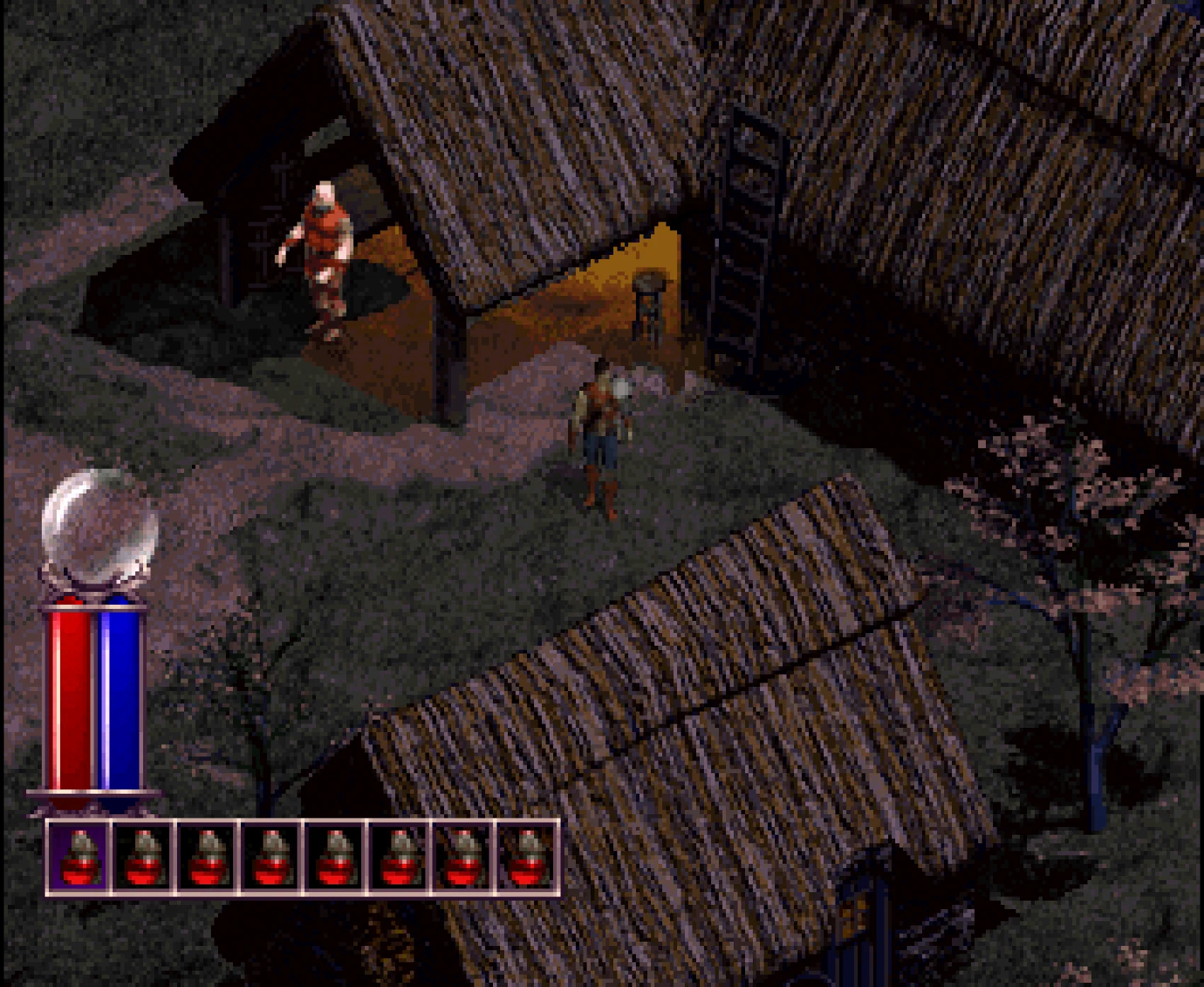
Clearing a gazillion dungeons might sound boring, and many similar games are indeed boring and repetitive. Diablo keeps the player engaged by fully changing the look and feel of the dungeons every few levels while constantly introducing new monsters with unique behaviours.
Another “comparative advantage” of Diablo is its random level generation, which lets you replay the game on higher difficulties and explore completely different dungeon layouts each time.
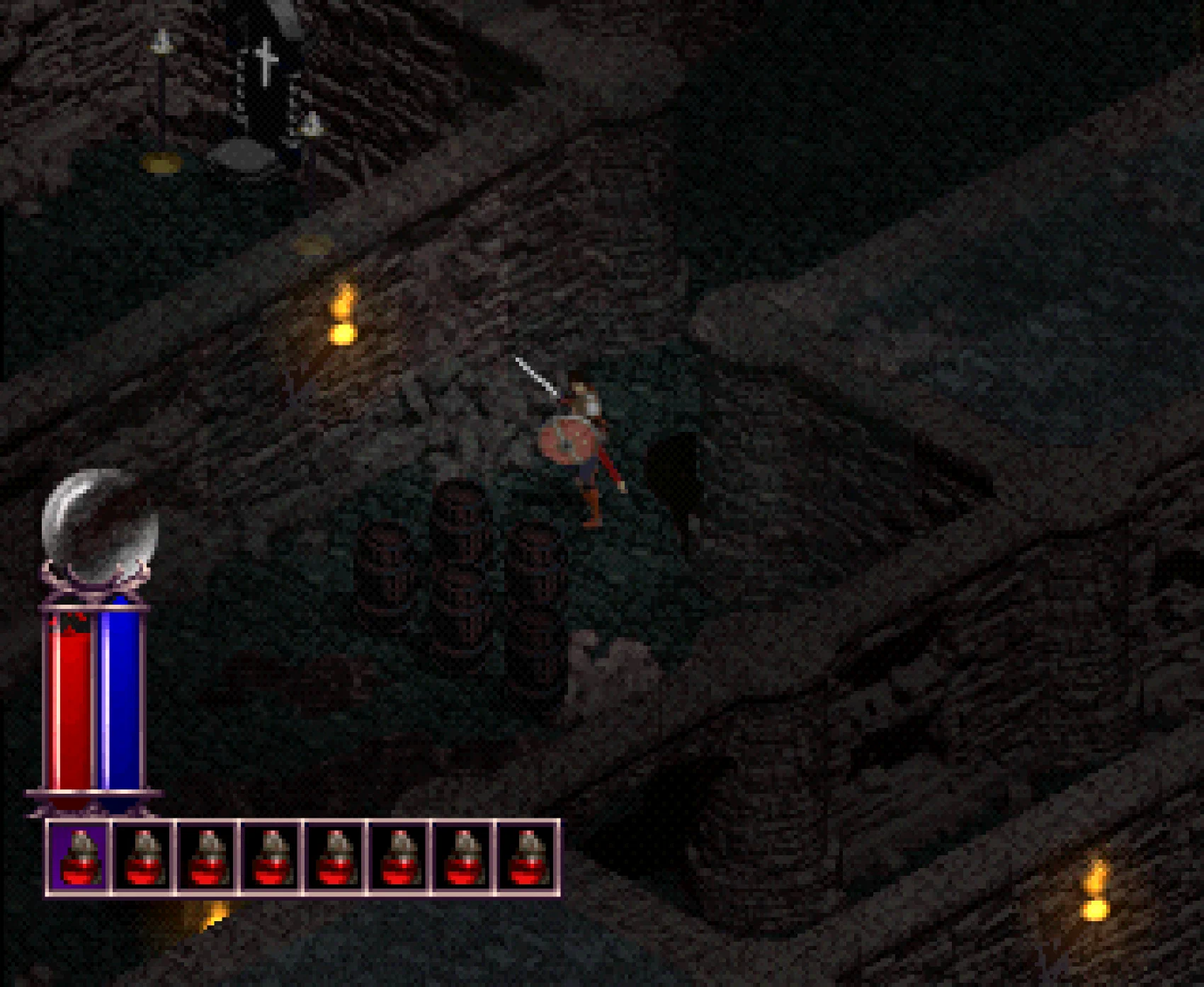
If you keep going down, you will eventually reach your final destination: Hell.
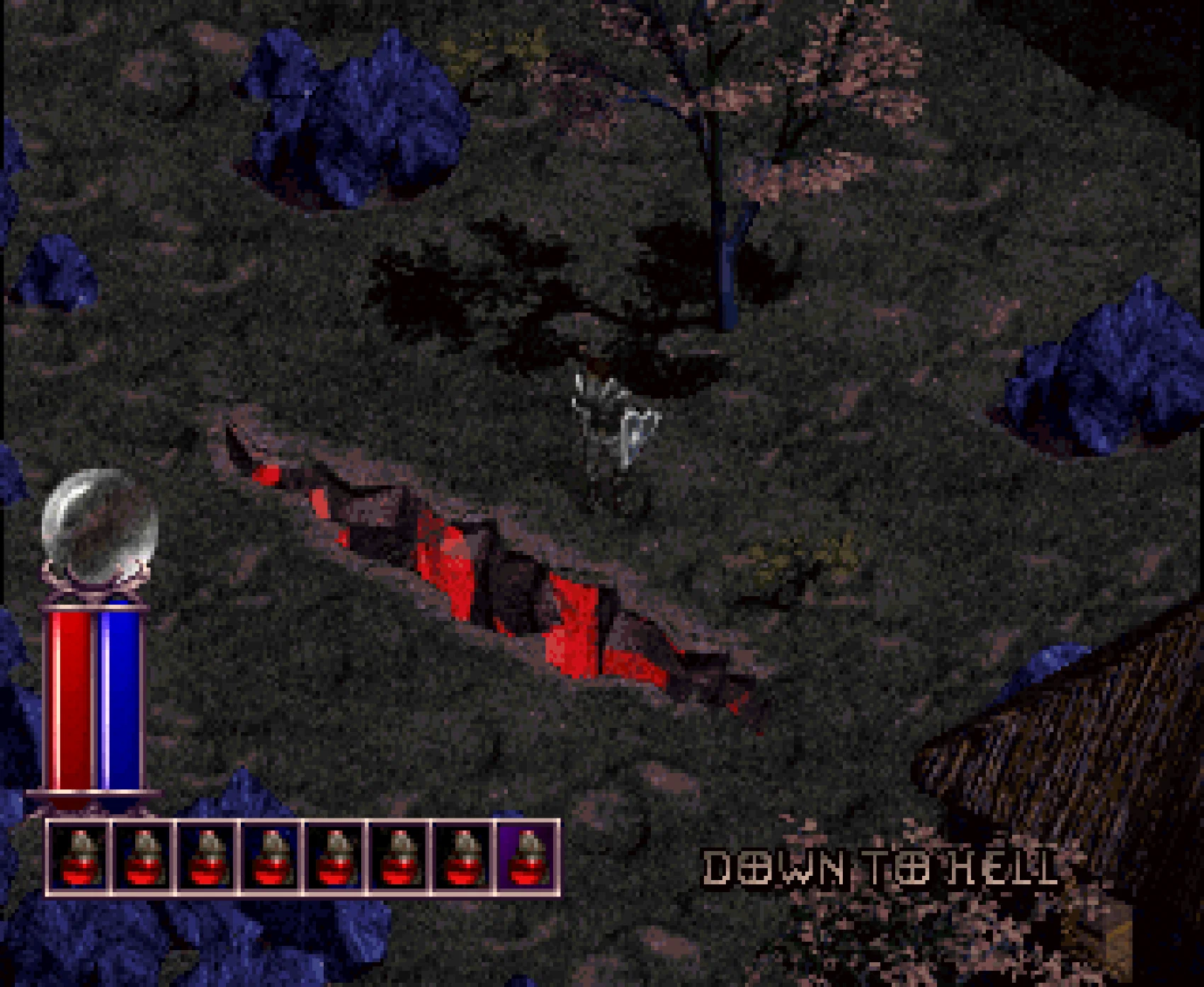
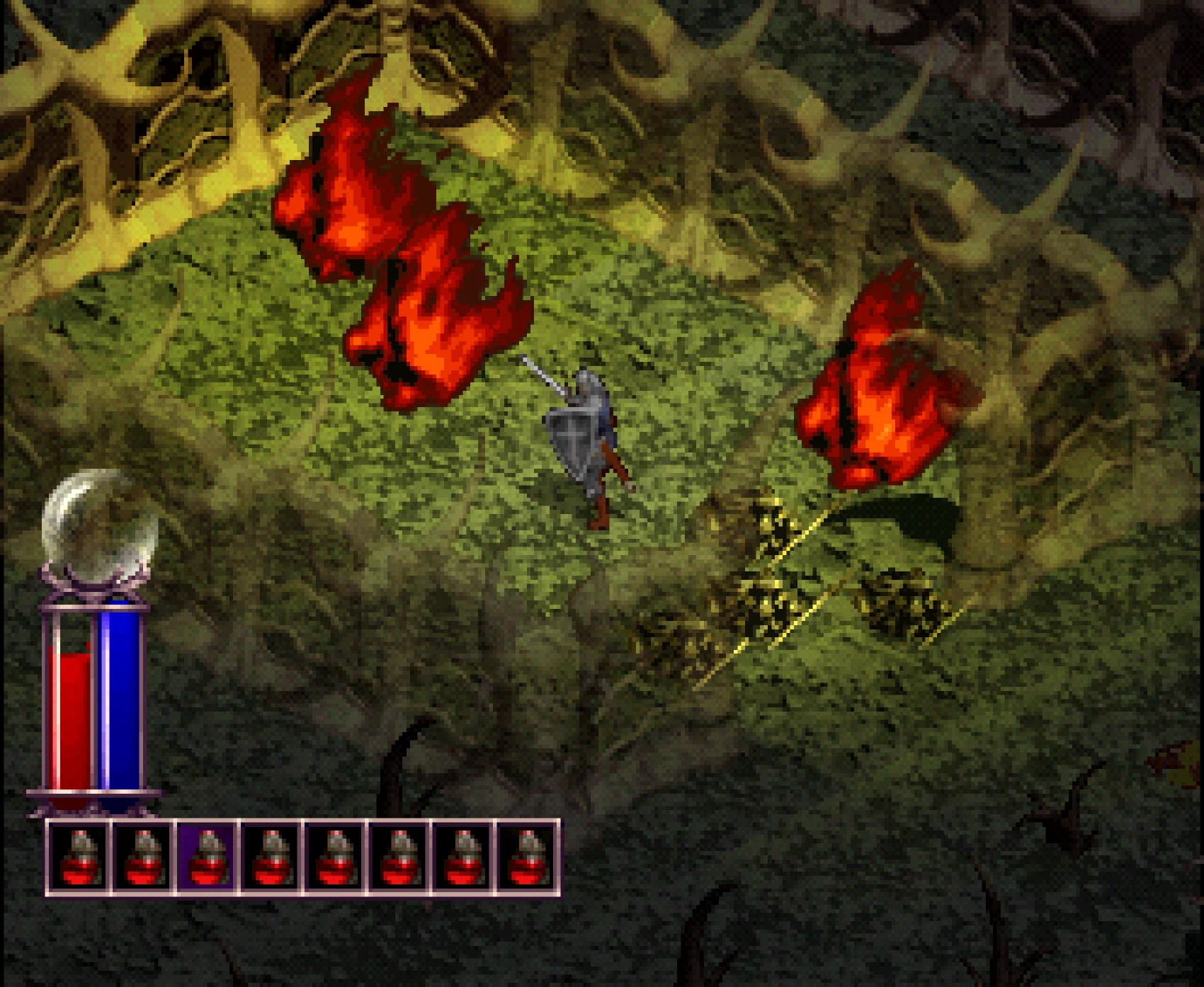
The game starts rather slowly, but it gets progressively more addictive the more you play it. You can keep replaying it on higher difficulties, which keeps you engaged and lets you unlock more powerful items.
In my view, the mid-game is the most interesting part, since you’re gaining power, finding decent loot, and getting your hopes up. But the game quickly becomes disappointing near the end. And it’s not just a matter of taste, the authors have publicly admitted that Diablo was rushed to market. The final “descent to Hell” feels abrupt because the devs were running out of time.
Luckily for us, Diablo was successful enough for Blizzard to fund Diablo 2, which feels like a direct continuation of the original. Arguably, Diablo 2 is complete and peak Diablo, while later games in the series belong to a separate category.
If you want to dive deeper, here’s a great post-mortem from David Brevik, Diablo’s lead programmer and co-creator: