Table of Contents
Preface
I rarely travel to countries that require a visa. Luckily, China became visa‑free for Russians starting in September 2025. My girlfriend and I had about ten free days over the New Year holidays, so we decided China would be a great place to explore.
Preparations
Fortunately, I have a few friends who live, or used to live, in China, so here’s the “travel pack” I put together based on their advice:
- Alipay mobile app - for payments
- Amap app - for maps (Google Maps is outdated in China)
- Virtual Visa/MasterCard/UnionPay to link to Alipay
- WeChat app for payments and networking with locals
- Nihao China app - as a backup payment method
- CCC-certified power bank
- eSIM - very cheap, no firewall, can be bought inside Alipay or Nihao
- Cash - just in case
Arrival
I filled out a digital arrival card before the flight, it’s supposed to make immigration faster. It must have worked, because everything moved pretty quickly. The officer did ask, “Why are you here?”, which came off as a little aggressive, but I assume it’s just standard. If they’re required to ask, there are definitely friendlier ways to phrase it. They might stick to simple English on purpose, to avoid any misunderstanding.
I landed in Shanghai and grabbed a cab from the airport taxi stand. The car was electric, but it smelled like an ashtray, smoking in cars is pretty common in China. You can avoid it by picking the “premium” option in Didi. Taxis here are cheap anyway, so premium became my go‑to after that.
First Stop: Shanghai
Hotel
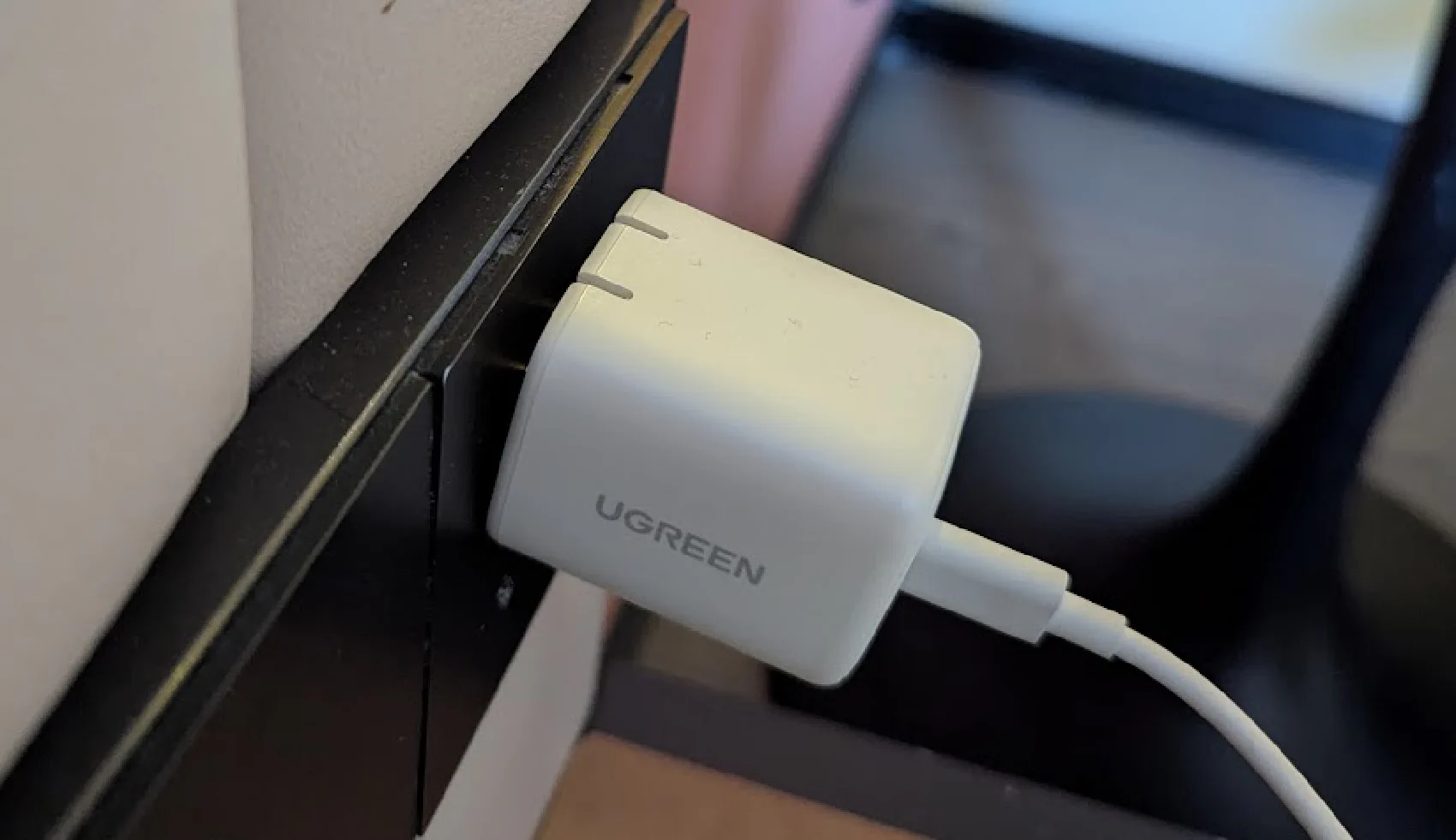
I stayed at an Atour hotel for the first three nights. It was a solid choice for the price (under $100). Even though Chinese two‑pin sockets look the same as Thai ones, I wish I’d brought a three‑pin adapter, since some of the outlets were pretty loose and wobbly.
Hipster Bar
I arrived pretty late but decided to look for somewhere to eat and drink within walking distance before calling it a night. Luckily, I found a bar just a few steps from my hotel.
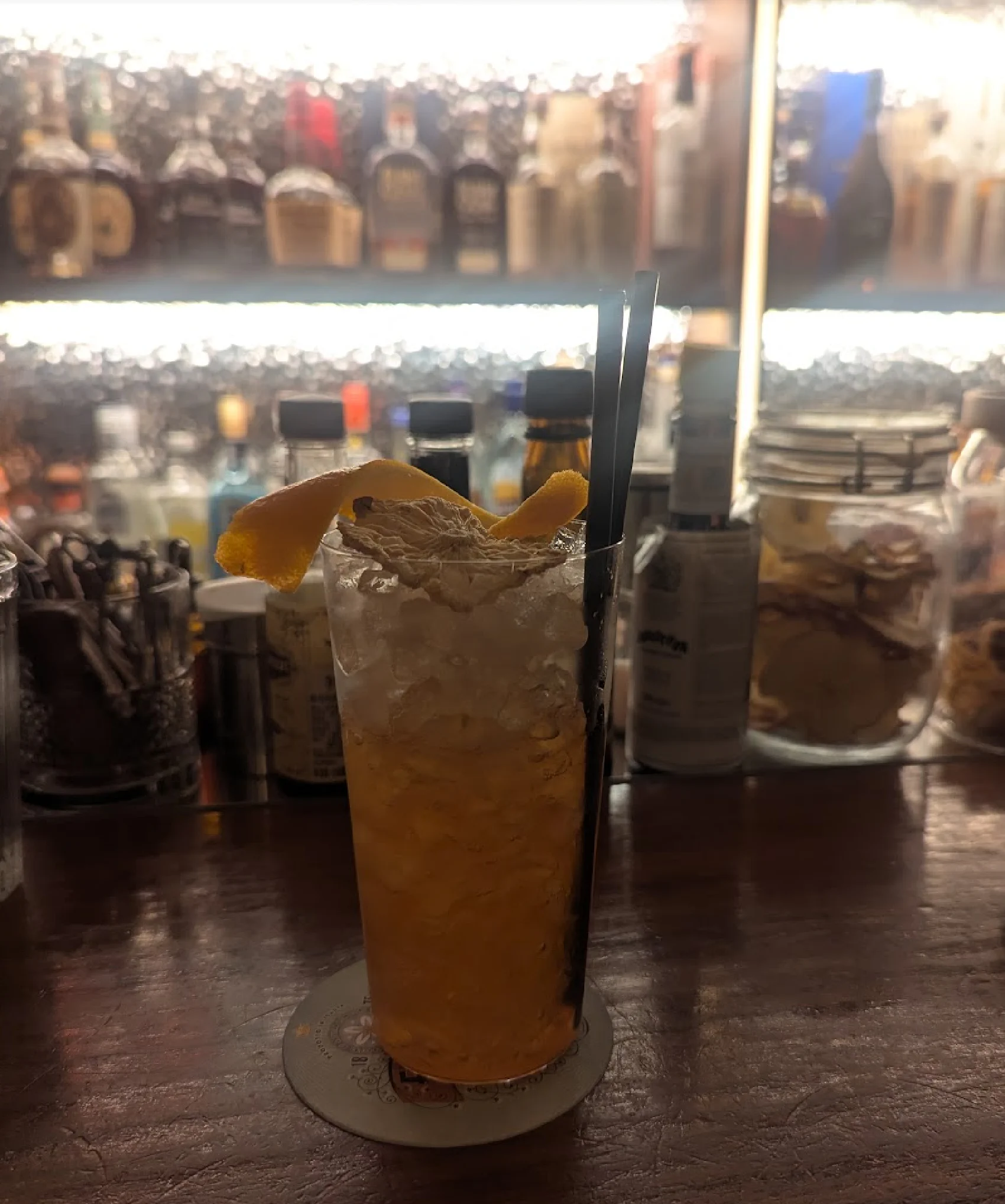
The place was run by local hipsters and felt very western, which is not what I expected in central China. The staff were young, heavily tattooed, and acted in a way that felt more western than Chinese. I later realized that wasn’t the norm at all. They also spoke good English, which turned out to be rare in China.
The only non‑western thing about the place was a BBQ stand right outside the door. I ordered a few skewers of beef and chicken. They were good, but a little bland compared to the spicy food I’m used to in Thailand.
Winter Walk
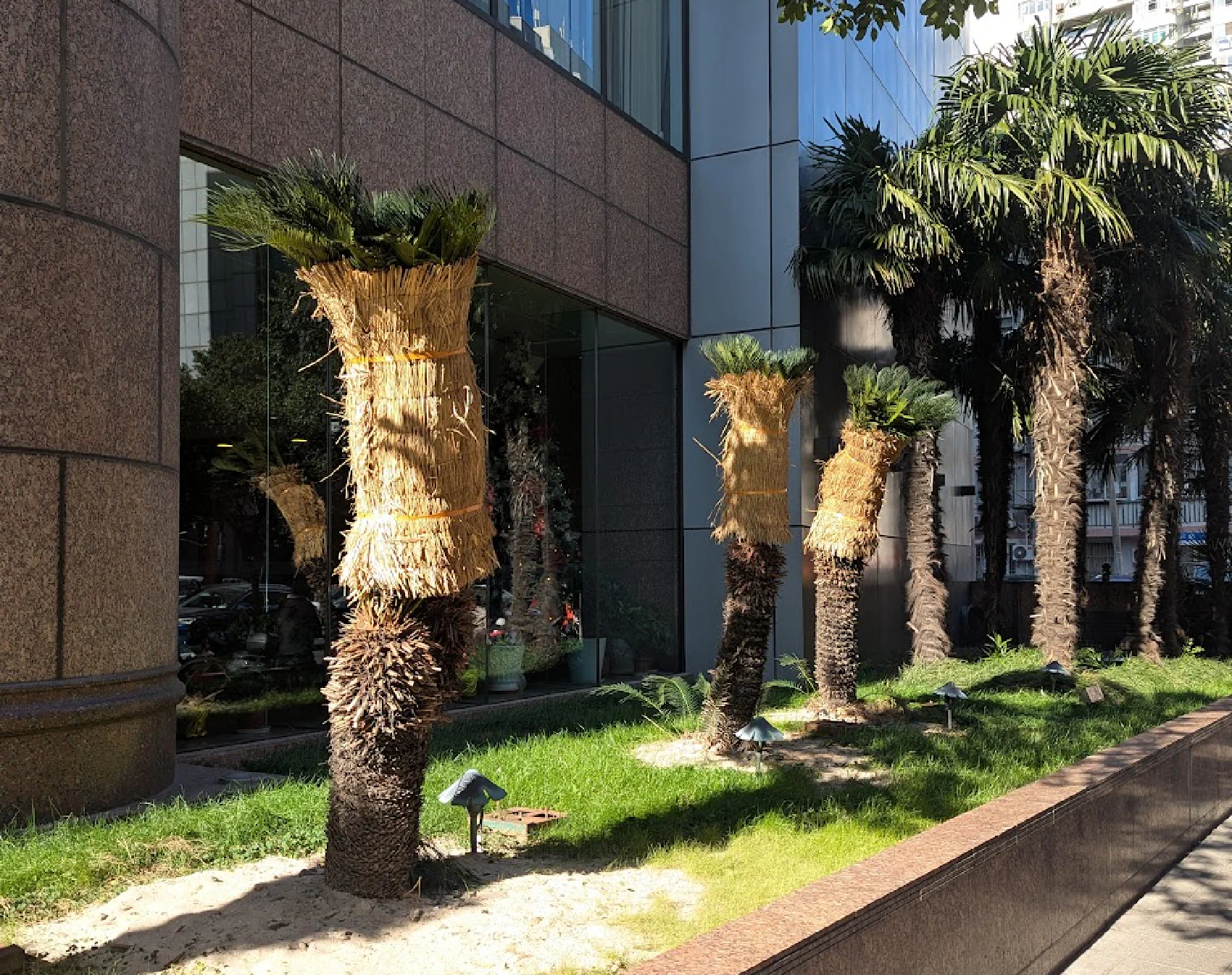
Shanghai in late December is cold, but not as cold as Moscow. The city is still surprisingly green, with roses and even some exotic trees scattered around. You can tell some of the plants need a little extra help to make it through the winter.
Propaganda Art
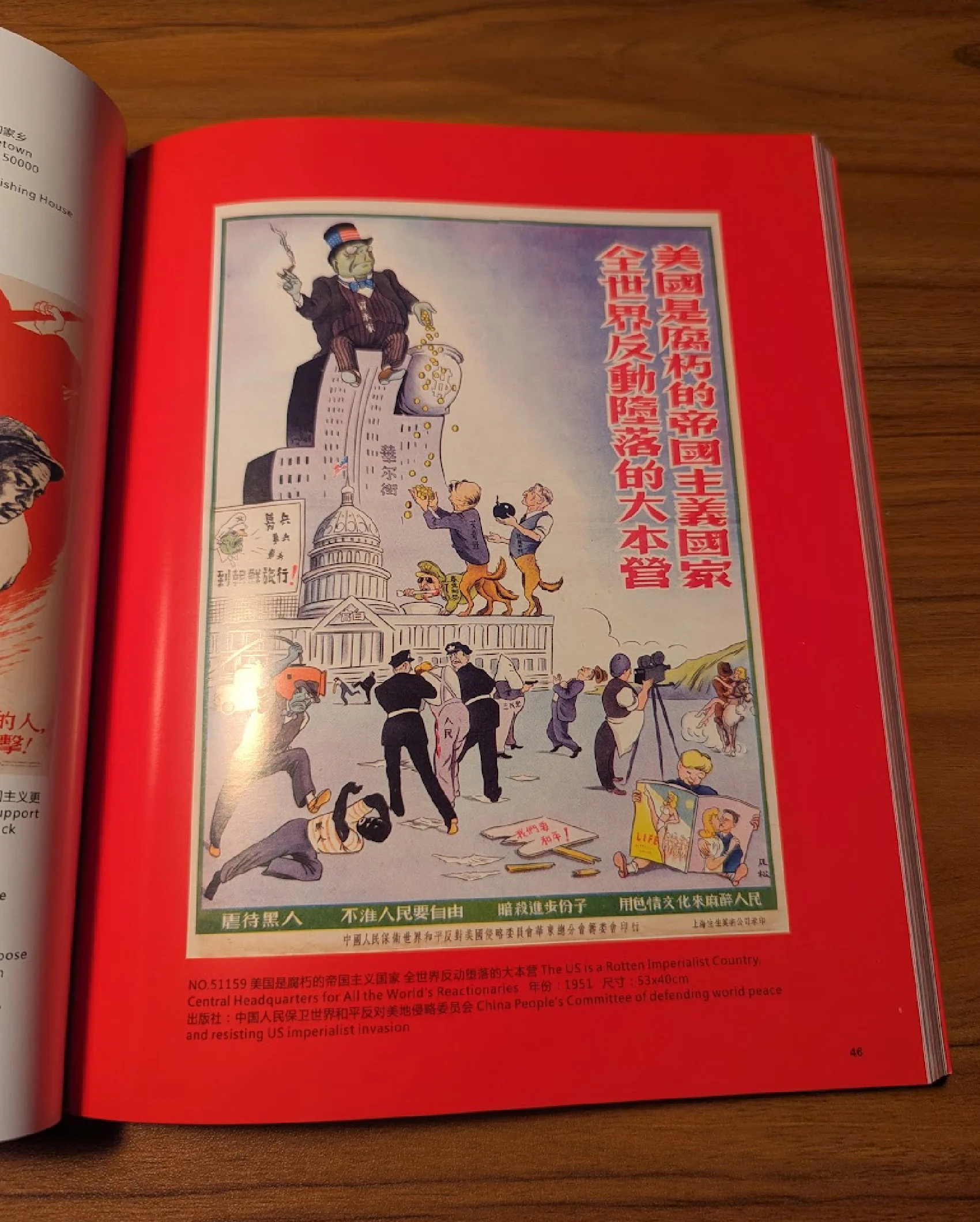
I love propaganda art, so I couldn’t miss Shanghai’s main propaganda museum. Finding it wasn’t easy, it had been moved to a new location, and the word “propaganda” was removed from some signs. I get the feeling the government isn’t thrilled with the name, but it still draws tourists, so they moved it somewhere less visible and toned it down a little.
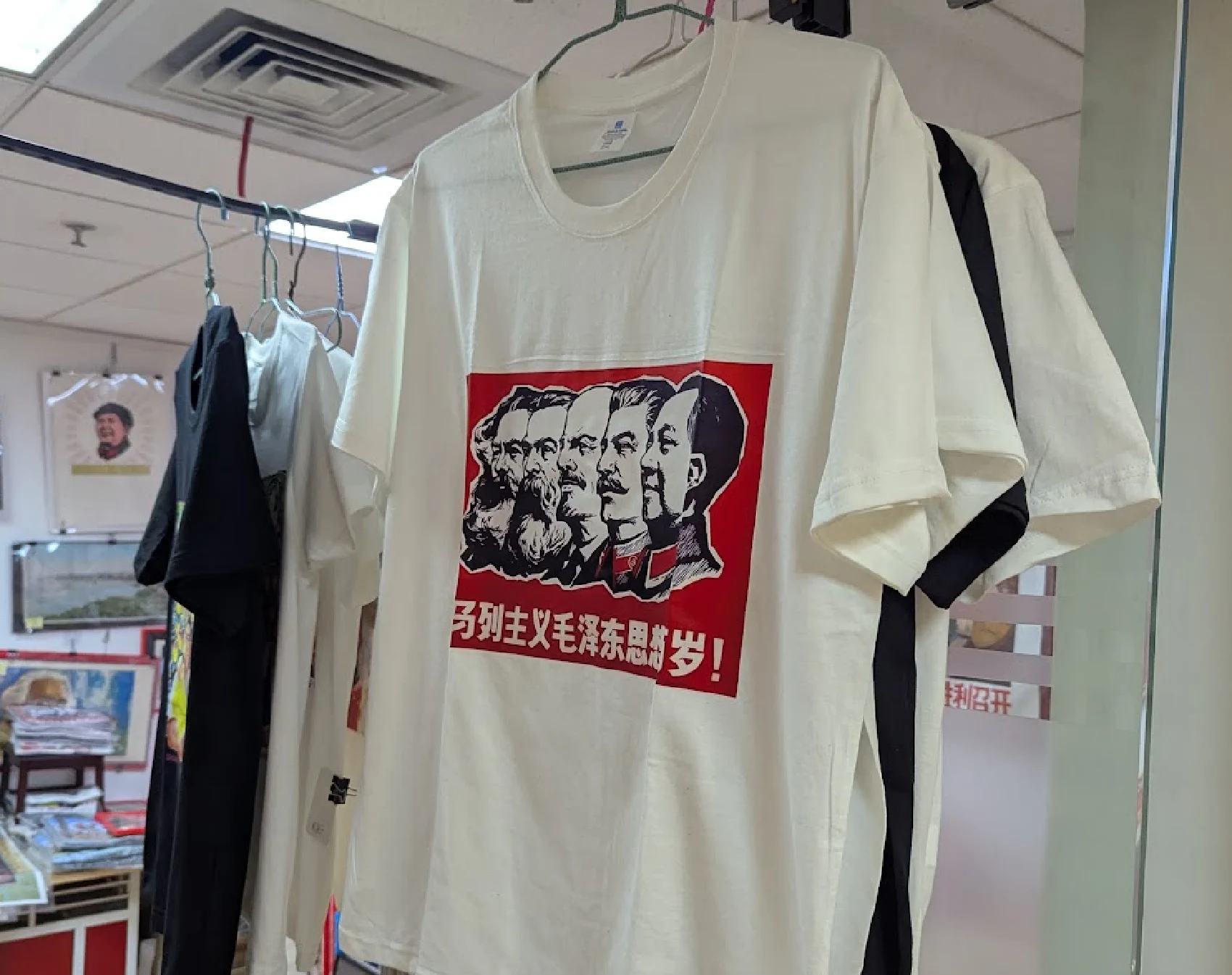
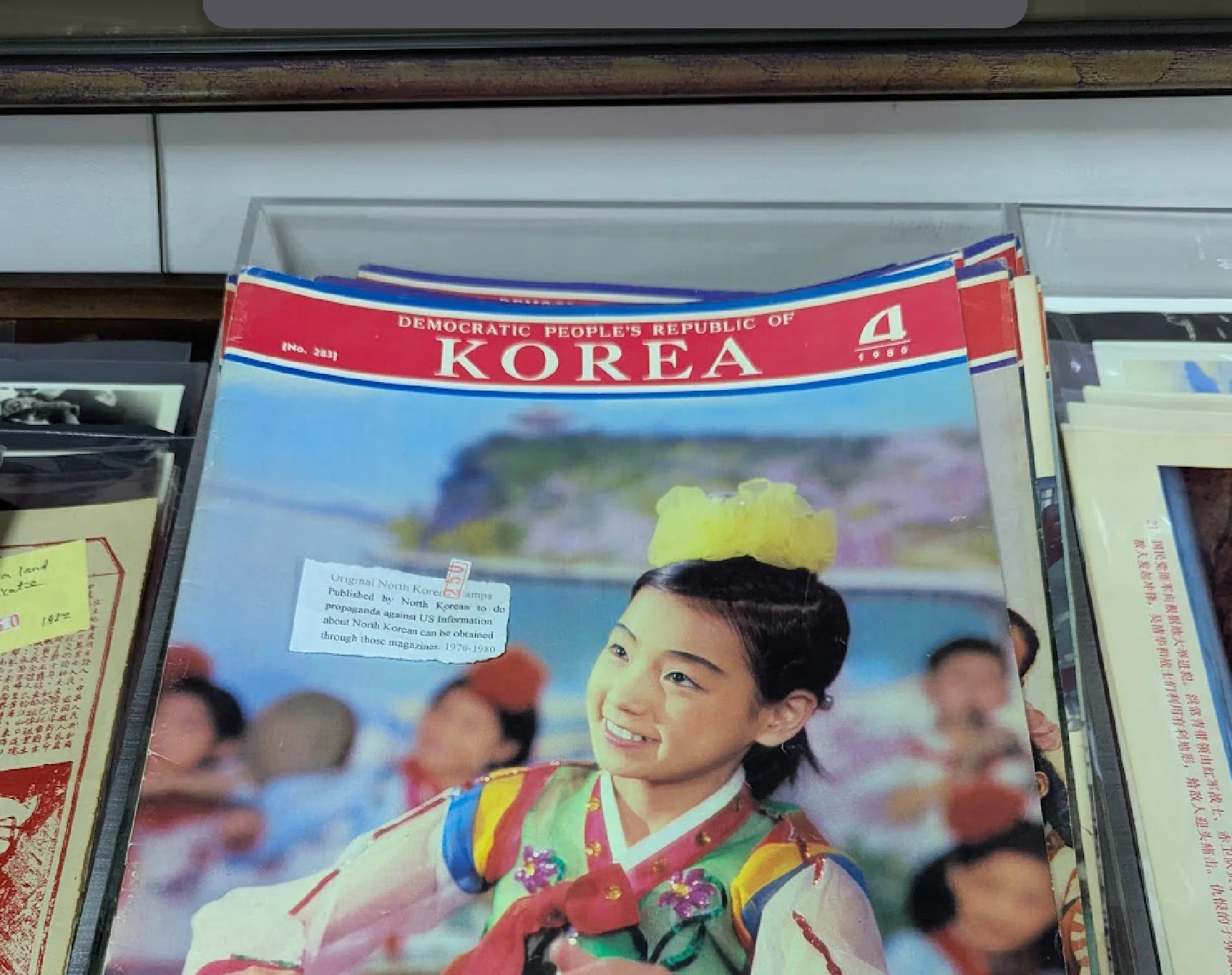
The place was amazing, I even picked up a book with reproductions of their posters. Highly recommended.
The Bund
The Bund is a nice must-see area in Shanghai. The architecture is pretty nice and I liked the food options. I stumbled on a nice local eatery ran by Muslims, and the owners were wearing obviously religious clothing. I guess all those stories about the percecution of Muslims are a bit overblown.
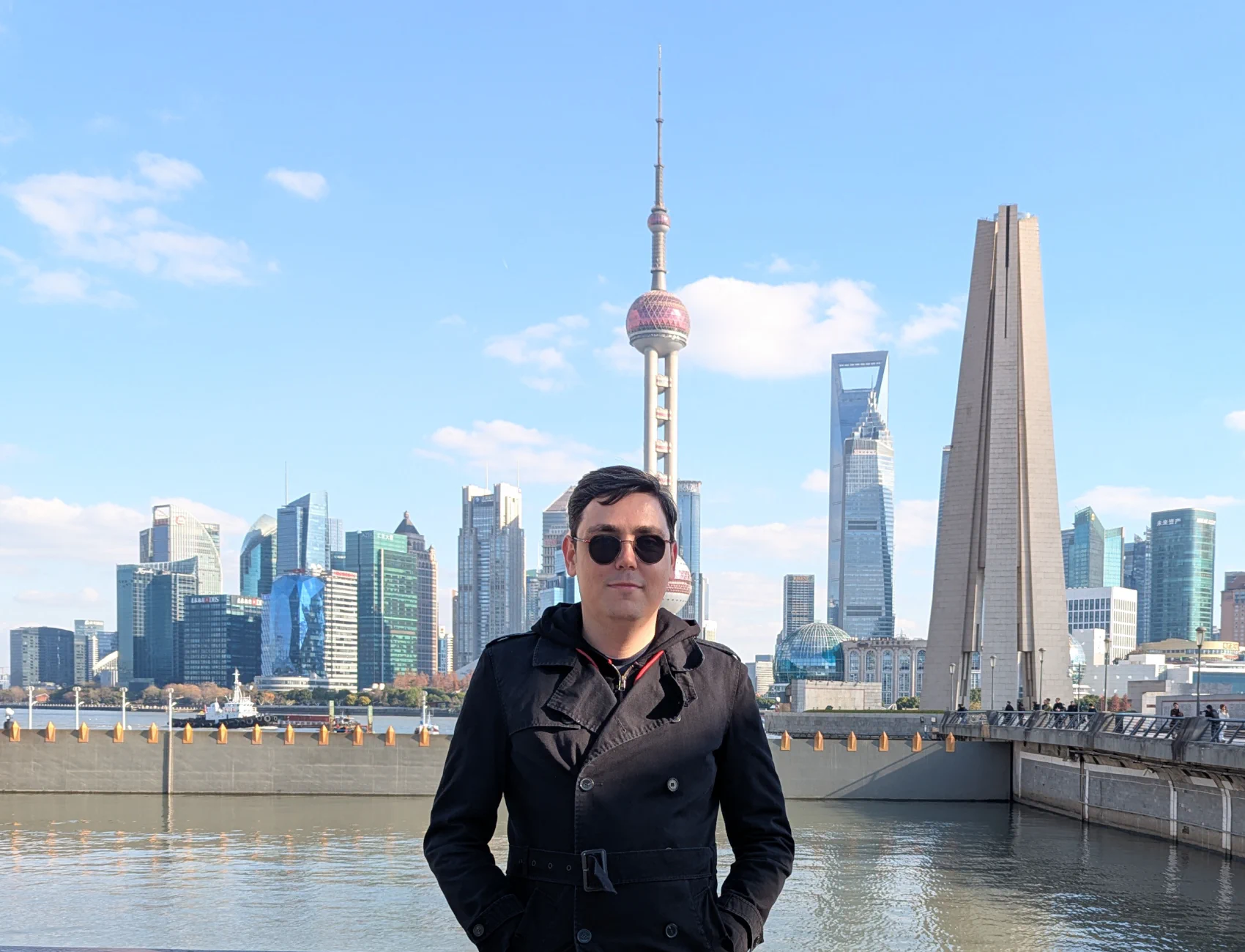
I wanted to visit the International Financial Center. It was on the other side of the river, so I decided to walk. The navigation app said it would take about 30 minutes, I figured there must be a bridge. Turns out the “bridge” was actually a ferry, but it was fun and super cheap. I paid the same way I’d been paying for the subway: with the “Transport” button in Alipay.
Getting Around
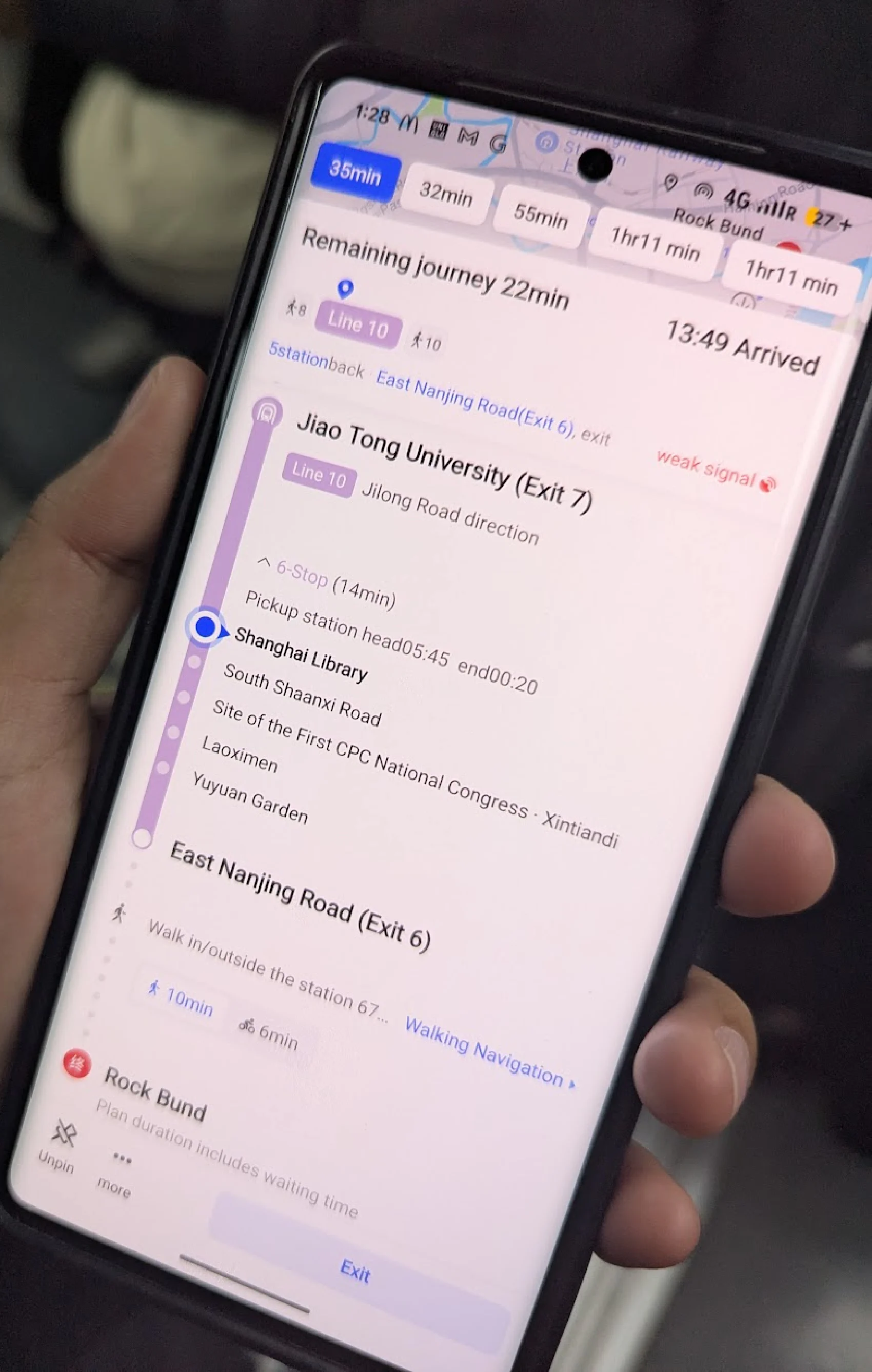
Getting around in China’s tier‑1 cities is pretty straightforward. Besides cheap taxis, the subway is a great option, it’s convenient and well‑run. The Amap app handles route planning and tracking reliably.
Coffee Battle
I’d heard Starbucks wasn’t doing well in China, and now I see why. Chains like Starbucks and Costa are priced ridiculously high compared to a newer local chain called Luckin.
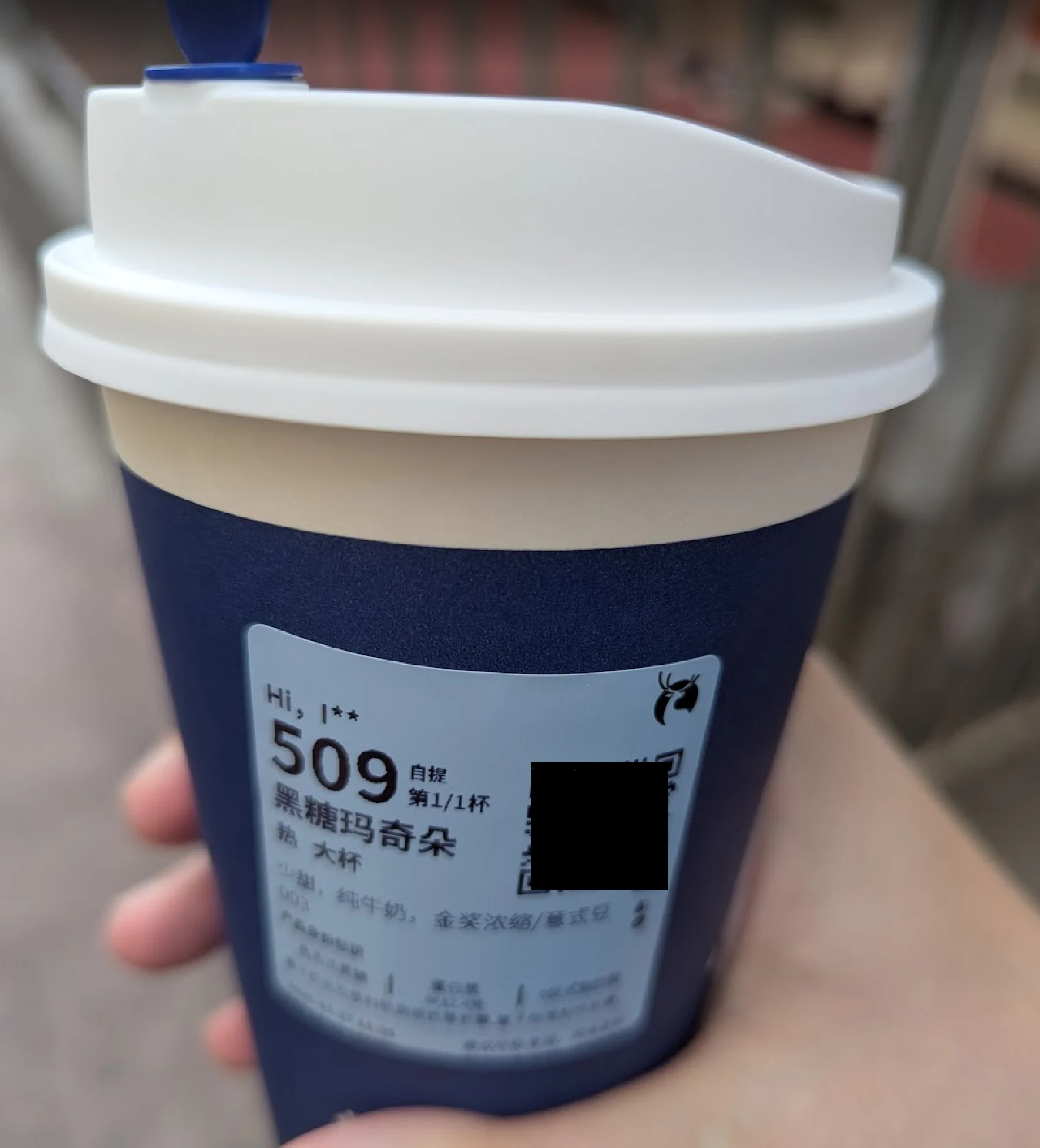
Luckin’s coffee tastes great and costs a fraction of the price you would pay in Starbucks. Their business model is smart, there are no counters or waiters, you can only order through their app. You can order ahead and pick it up as you pass by. I didn’t mind waiting a couple of minutes either, the chain is extremely cost‑optimized and efficient.
Trains
I took a seven‑hour fast train from Shanghai to Shenzhen to get a glimpse of the Chinese countryside. It looked decent, but I noticed most settlements have almost identical houses. That hints at a centralized development model, but I’m just not sure whether it’s orchestrated by the state or managed locally through some sort of collective farm system.
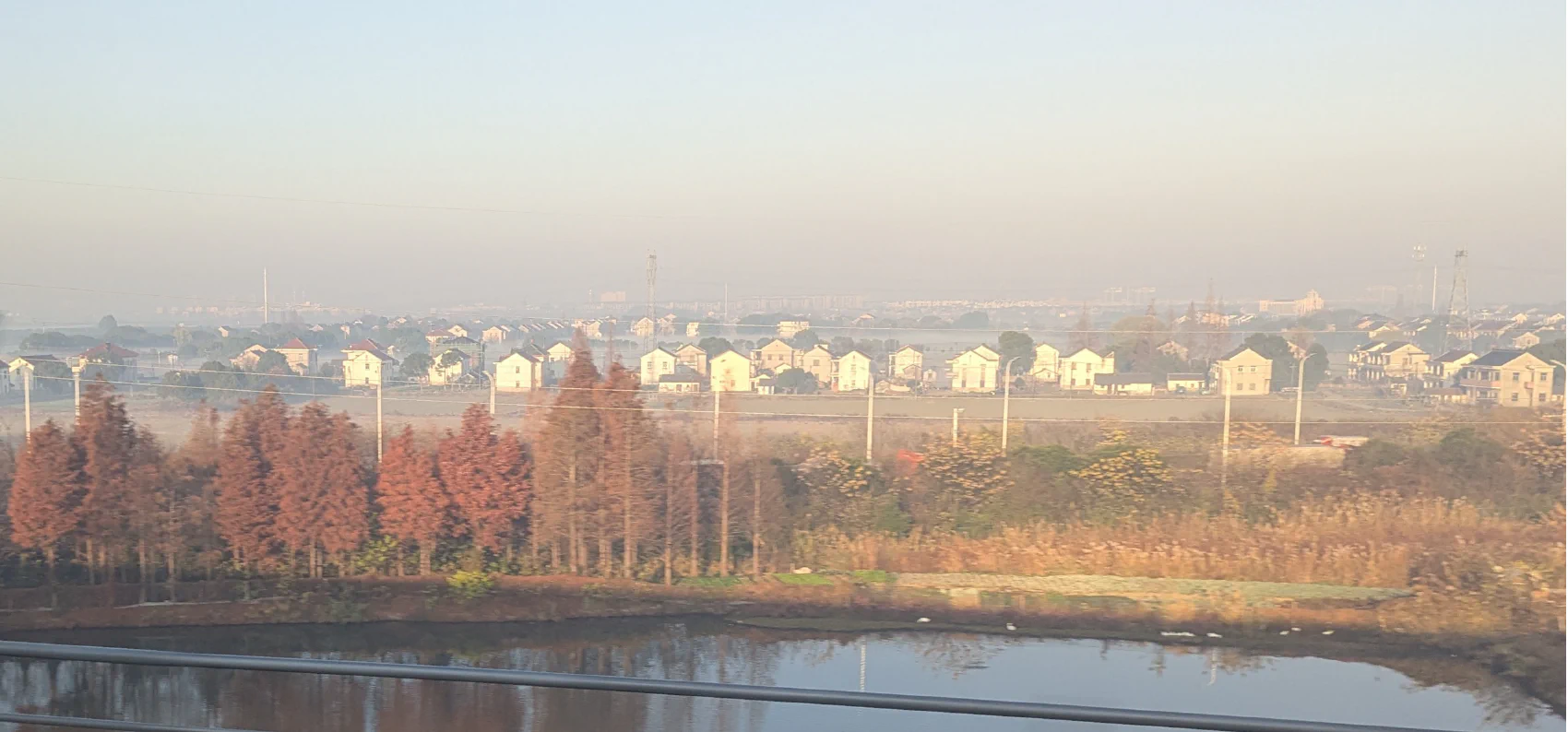
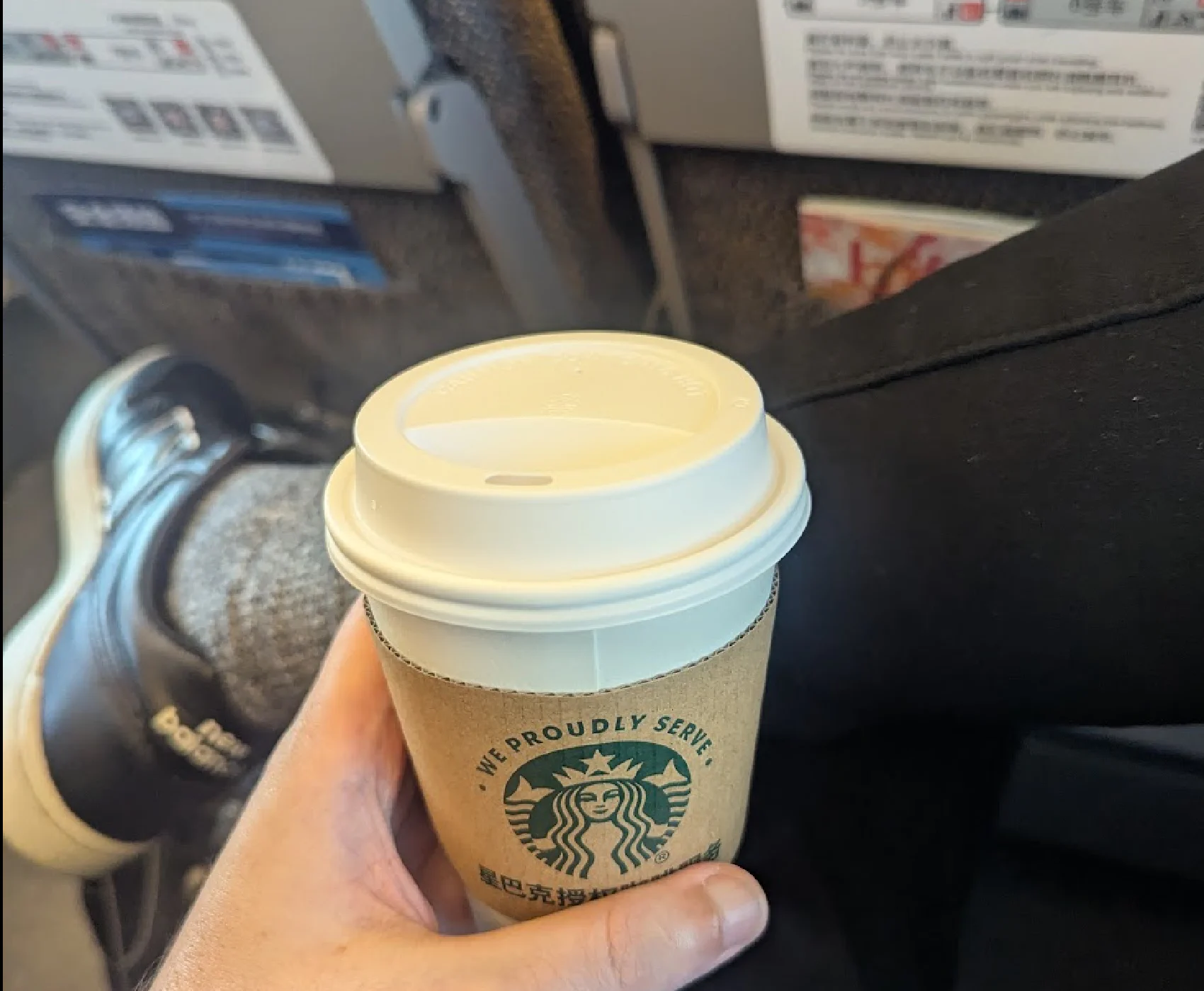
It’s not easy to impress a Russian with trains, but I can say Chinese trains are solid. The only thing I didn’t like was the Starbucks monopoly!
Second Stop: Shenzhen
Hotel
I booked a room at the Meyo+ hotel, and it wasn’t a great decision. I’d ordered a room with a big window and a nice view, but their system messed up and they only had a slightly cheaper one with a weird, tiny window. They also tried to charge me for breakfast, even though it was supposed to be included. Sorting that out with staff who didn’t speak English wasn’t easy.
Tech
Taking the Metro to Huaqiangbei dropped me right into the heartbeat of the world’s electronics trade. Exiting the station, I was immediately flanked by towering malls, each floor a labyrinth of stalls overflowing with LEDs, components, and every tech gadget imaginable, sold in batches from tiny resistors to pallets of smartphones. The scale was overwhelming. I could easily spend weeks here and still not see everything, wandering from one specialized building to the next, each a vertical city dedicated to a different slice of hardware.
Food
I have to say the food options were pretty unusual, and the service isn’t really set up for tourists. Most places don’t have waiters, you scan a QR code at your table and order through your phone. Each table has its own unique code, so the staff knows where to bring the food. That’s about as much service as you’ll get.
On the plus side, there’s no tipping, and all prices are fair and clear.
I did go to a few places with actual waiters, mostly international restaurants. But even then, the menus could get really strange, take a look at this wagyu and potato pizza:

Infrastructure
Shenzhen is a new city, and it shows. It feels spacious, with clean and polished infrastructure. I enjoyed a few walks around town, but the one annoyance was the e‑scooters using pedestrian walkways. In some spots, it’s hard to stay relaxed when those 100‑kg machines zip around you, beeping constantly.
Third Stop: Guangzhou
Hotel
This time I went with Holiday Inn Express, and it was solid. I’d never seen 2.4‑meter beds in a hotel before, is that an American size or something? Anyway, the room was clean and had a nice city view.
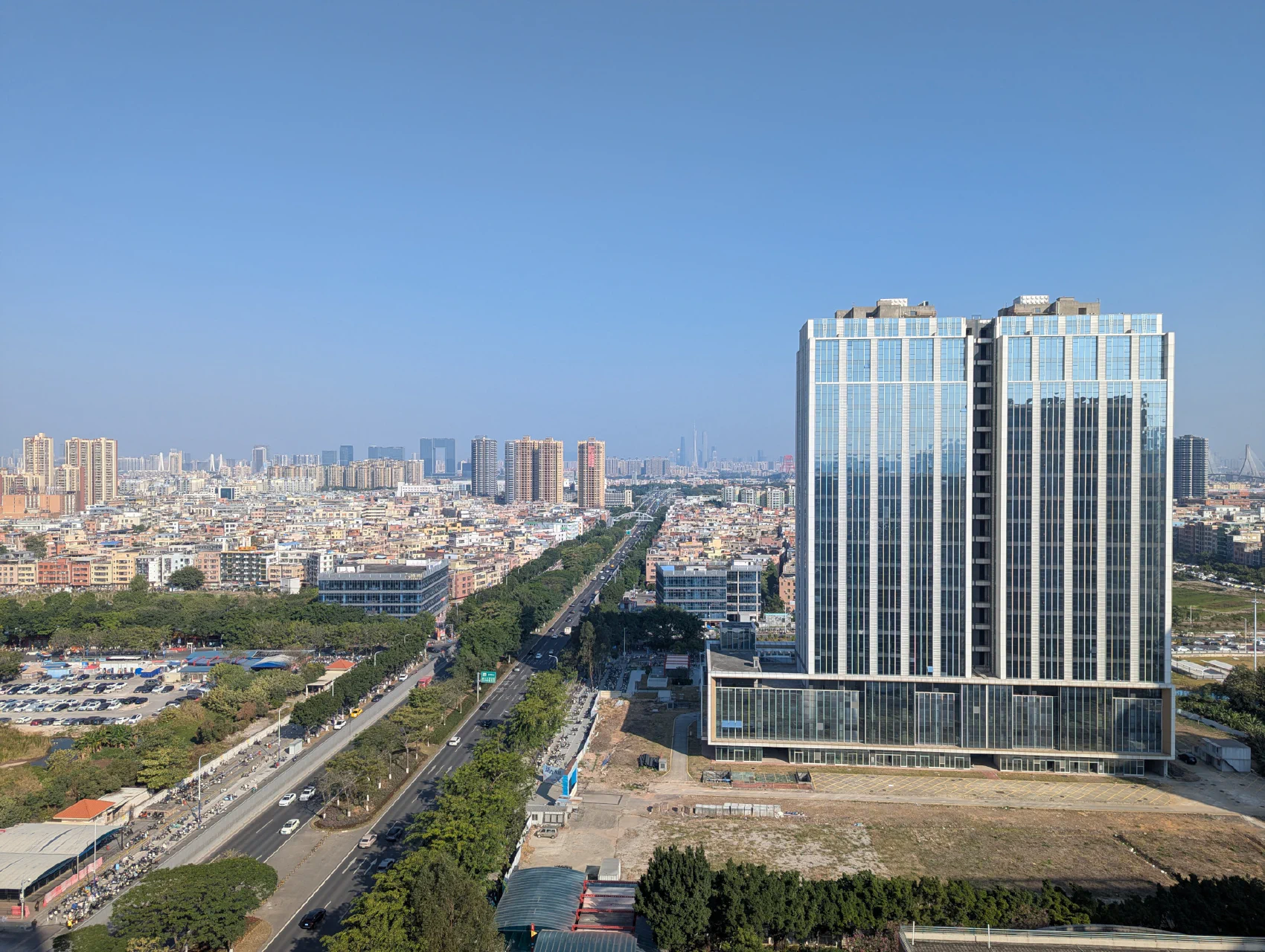
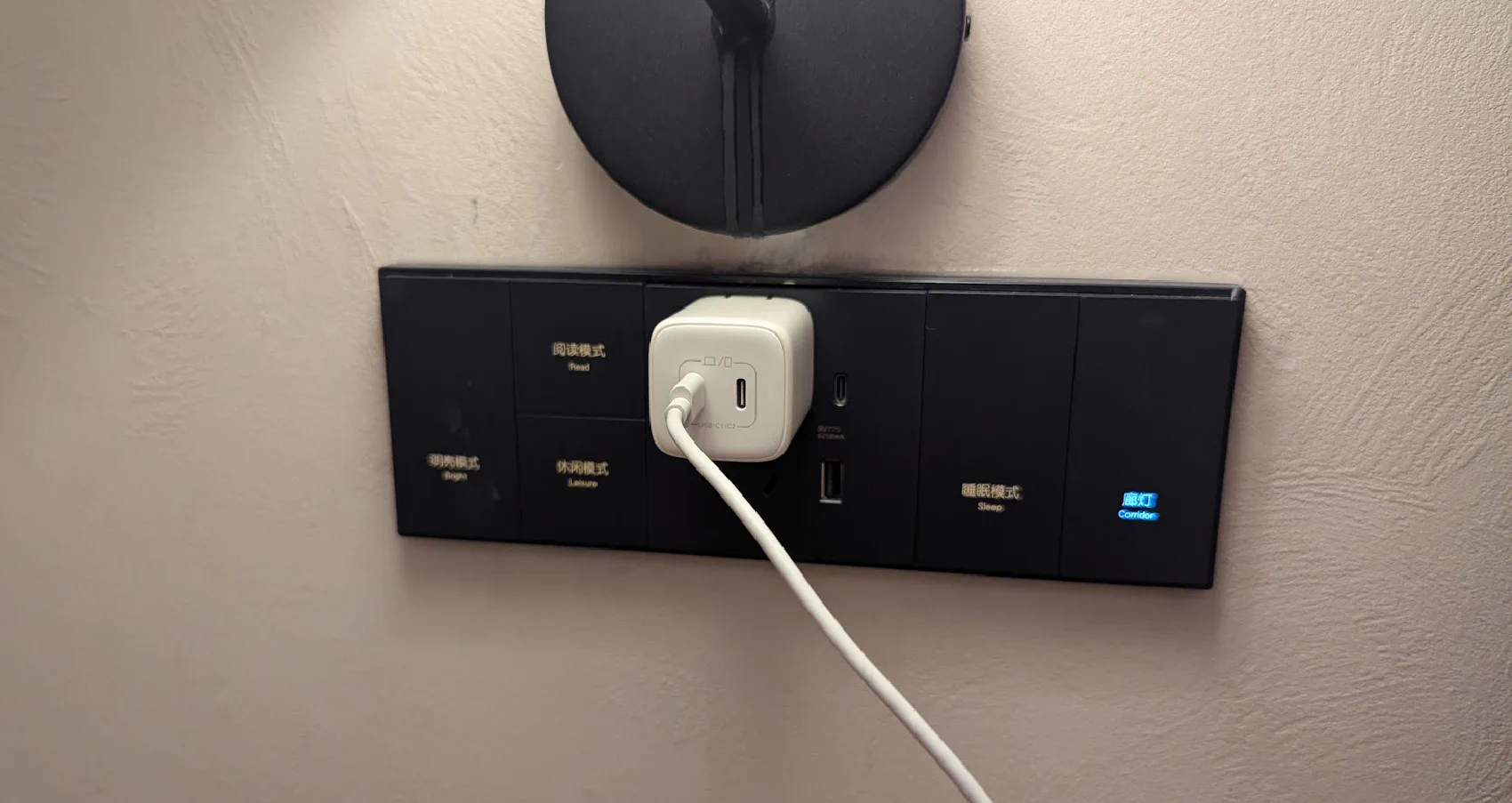
Every hotel I stayed at in China had USB‑A and USB‑C ports, but I prefer using my own AC charger. It’s faster and probably more secure.
Getting Around
The Guangzhou subway is good, and Didi was always there when I got too lazy to walk. It’s a huge city, and I wanted to see how an average person lives here. What surprised me is how little difference there was from Thailand, right down to the habit of eating dinner outside near a local night market.
New Town
New Town is my favorite district in Guangzhou, mostly because of its wide selection of international cuisine. It even has an Irish pub and I ended up going back more than once.
I also explored some of the seaside routes and a few other areas. Overall, it’s a nice city, but the contrast with Shenzhen is pretty striking. Shenzhen is clearly newer and a lot wealthier.
Departure
Leaving China was as easy as entering. I booked a flight back to Phuket with a layover in Hong Kong. Flying just 150 km felt like taking a bus, it was over almost before it started.
Conclusion
Things I liked:
- Infrastructure
- Trains
- Cultural and historical POIs
- Cleanliness
- Safety
- Affordability
Things I didn’t like:
- Food
- Poor English ability
- Mechanical, QR-based service
- E-bikes using pedestrian walkways
Overall, it was a solid trip. I’ll be back when it’s warmer to explore northern China.