Note: this only reflects my personal work this week. Visit the BTC Map Blog for consolidated monthly reports.
Global Direction
My focus in March was on performance, discoverability, and multi‑language support.
Those things might sound random, but if you’ve ever used the BTC Map website, you probably know that some pages are borderline unusable. They can take a few minutes to load or just hang forever. Websites are not something I have a lot of experience with, but I was able to improve things on the performance front.
Performance can only get you so far if you don’t know where to look. BTC Map data is fragmented across many pages with weak or no interlinking. The best improvement I was able to deliver was showing nearby communities to users browsing the map. Many users are unaware that we offer interesting insights on local communities, and that we help communities onboard new members by showing their main contact links.
Speaking of language, only half of our users prefer English (based on browser language preference), but it was the only supported language until recently. I believe that improving language support can bring us more users, as many local bitcoiners in the place where I live aren’t comfortable using English at all.
Website
Performance-wise, I was able to speed up our leaderboards, including top editors, top countries, and top communities. Those pages now often load in under a second, even from a cold start.
There are no gains in discoverability yet, aside from showing more data on our dashboard. But it’s a good start, since it reminds us that most of our communities have missed their re‑verification deadline (set to one year). We need to fix this ASAP.
I also authored a few patches improving multi‑language support and added a Russian translation. Neither is perfect yet, but at least things are set in motion.
API
Most API changes I authored focused on supporting localized names and adding optimized endpoints aimed at improving website performance.
I also conducted an experiment using LLMs to translate hard‑to‑parse OSM working hours into a human‑readable format. This feature is working fine, and I rolled it out to a few regions.
Our Overpass sync started having some hard‑to‑debug issues, which motivated me to improve observability in that area. Now our API saves all the important details about every Overpass sync run, whether successful or not.
I was also able to repair country flags and pave the way for storing all area images in an SQLite database, which is our medium-term goal.
Android
I finally released BTC Map Android v1.1.0, which is something I worked on since November 2025. Here are some release highlights:
- Add Carto Dark Matter map style
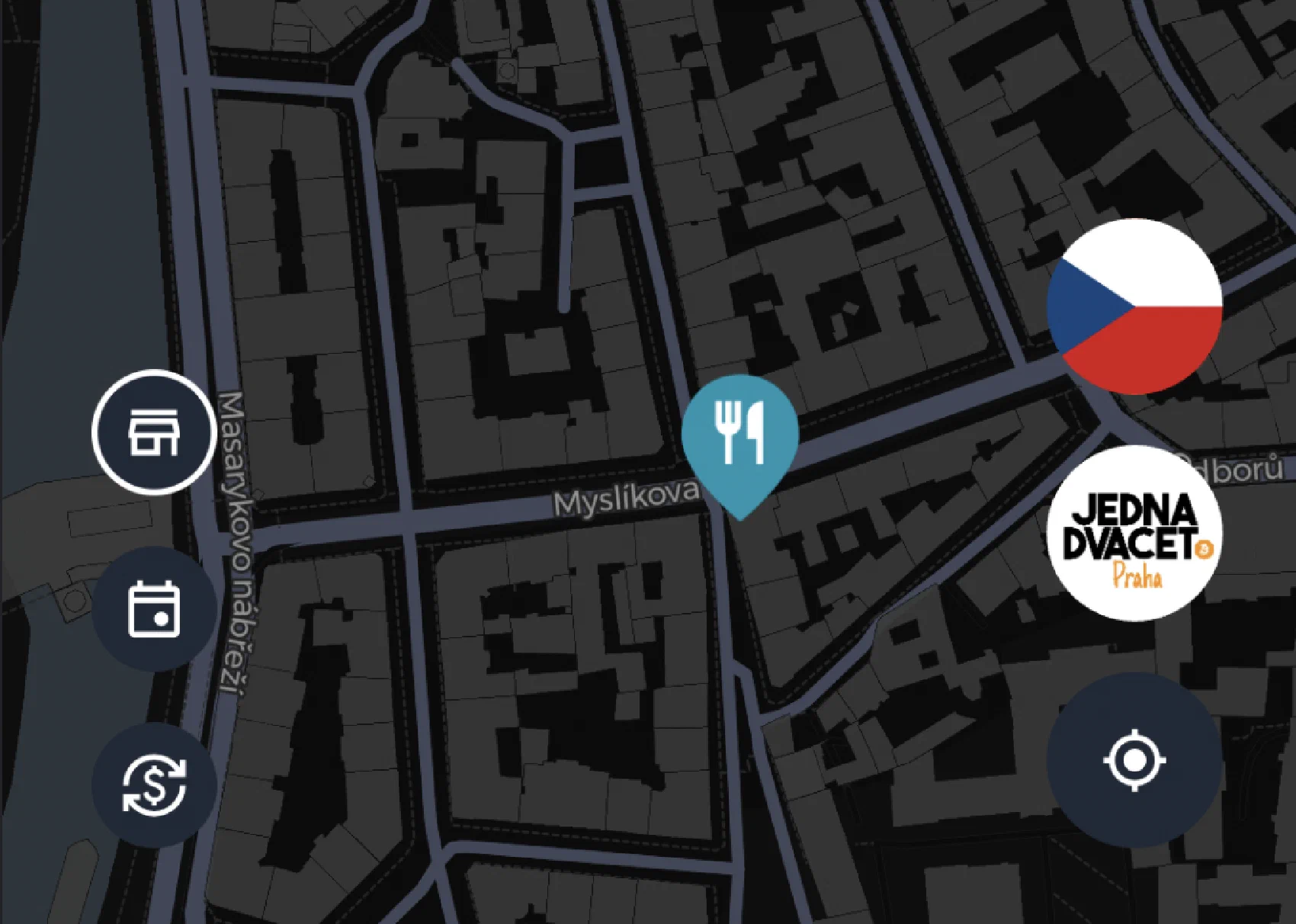
- Display current country and nearby communities on the map
- Enable map rotation
- Display localized place names
- Improve opening hours display and translation
- Improve clustering
- Make adaptive color scheme opt in, default to website colors
- Improve payment flow
- Add support for many new languages
- Improve testability and test coverage
If you’re an Android app user, I encourage you to update and leave your feedback.
Conclusion
Another productive month, but there’s still a lot of technical debt to address and new ideas to experiment with.
One thing I’ve been considering is adding a list‑based activity feed alongside our default map view. Something like a social media activity feed, but scoped to Bitcoin-only activity in your area or the areas you’re watching. As a cherry on top, we could add bitcoiner event notifications there, improving discoverability by interlinking the lesser known features we offer.